From elements in the soil to collagen minerals
Should I take silica supplements separately for the benefit of my hair, nails, or bones?
To date, it has not been established whether silicon is an essential nutrient for humans, nor have deficiency symptoms or recommended daily intakes been defined. Therefore, there is no evidence to state that the general public must supplement it. While the numerous names can be confusing, it is worth examining how this element enters our diet and capsules.
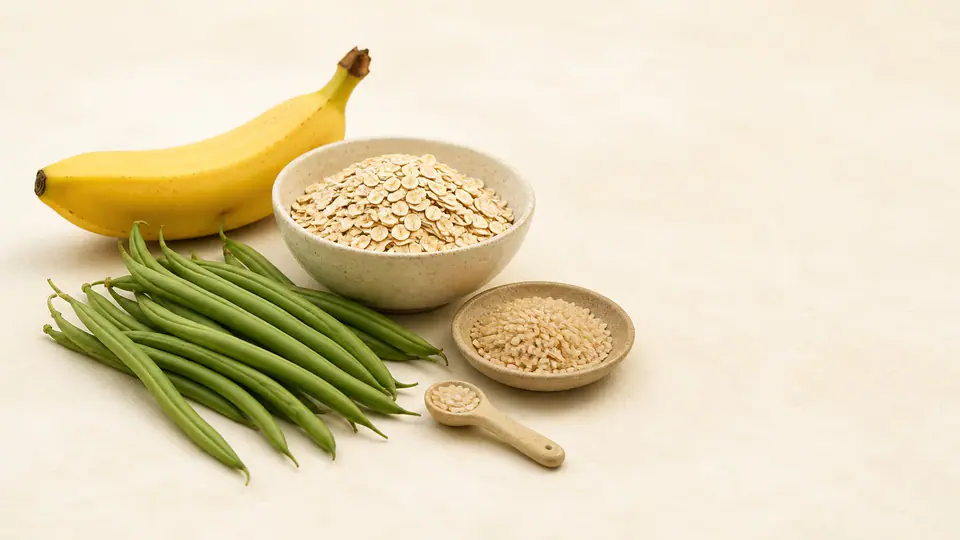
Silicon is a common element in soil and rocks, playing a role in strengthening plant stems. Silicon is found in beer, grains, vegetables, and some bottled water. However, when discussing health functions, the chemical form is important. In food and water, it is mainly encountered as silicic acid or silicates. Silicon dioxide, orthosilicic acid, choline-stabilized orthosilicic acid, and calcium silicate are forms that cannot be used interchangeably. Silica used as an anti-caking agent in food additives and absorbable silicon in supplements also differ in purpose and exposure levels.
The first confusion caused by numerous names
Silicon, silica, and orthosilicic acid are often used interchangeably in daily conversation. However, their chemical forms, solubility, and absorption rates are not the same. This is why the raw material name on the label and the silicon-converted amount must be viewed separately. For example, choline-stabilized orthosilicic acid is a form used in specific supplement research, while calcium silicate is a different formulation. Different accompanying ingredients exist under the same name of 'silicon'.
'Silica' can refer to silicon dioxide or encompass supplement raw materials. However, anti-caking silica used as a food additive is edible amorphous silica. This is different from the hazards of inhaling crystalline silica dust in a workplace. While it is obvious that powder products should not be inhaled, distinguishing between the two is the starting point for safety awareness.
Silicon in food and silicon in capsules follow different pathways
It is confirmed that silicon is present in beer, grains, vegetables, and some bottled water. However, silicon deficiency and essential intake levels in humans have not been established. This means there is no official standard to determine whether one is consuming enough through food or needs to supplement more.
You must first distinguish whether it is silicon in food, a silicon dioxide additive, or a product containing orthosilicic acid, choline-stabilized forms, or calcium silicate. As mentioned, silicon dioxide in food, water-soluble orthosilicic acid, choline-stabilized orthosilicic acid, and calcium silicate are not interchangeable forms. When choosing a product, do not look only at the raw material name; check the amount converted to silicon and the accompanying ingredients such as choline or calcium.
Why expectations are tied to collagen and bones
There are cell and animal studies showing that silicon affects collagen synthesis or osteocyte reactions. However, these are not clinical results proving that taking a specific supplement improves bone density or hair. It cannot be concluded that phenomena observed in cells and animals appear in the same pattern in humans.
In a 20-week trial of 50 women with photo-damaged skin, 10 mg of silicon from choline-stabilized orthosilicic acid improved some skin surface indicators. However, the fragility of hair and nails was based on subjective evaluation compared to before the trial, and it was a small study on a specific product. In a 12-month trial where 184 women with osteopenia were randomly assigned, all groups took calcium and vitamin D together; only certain bone formation markers changed at some doses, and lumbar bone density did not change significantly.
A trial of 166 patients with knee osteoarthritis failed to confirm effects between groups regarding pain, function, and cartilage markers for the overall population, reporting only a signal in a male subgroup. Absorption studies showing that blood silicon levels rise after supplementation only prove that it entered the body; they do not prove hair growth, fracture prevention, or arthritis treatment.
Three gaps that cause confusion when interpreting research results
Blood levels, bone formation markers, bone density, fractures, and hair changes are different stages. An increase in blood silicon does not necessarily mean bones become stronger or hair grows. Even if bone formation markers change slightly, if lumbar bone density does not change significantly, it cannot be linked to an actual reduction in fracture risk.
What then should be looked at? You must examine the number of research subjects, accompanying supplements, the indicators measured, and how close those indicators are to actual health outcomes. Marker improvement in a small study of a specific product is merely a clue for the next stage of research; there is a gap before it can be translated into an effect an individual can expect.
When Taking with Other Supplements or Medications
Silicon products have different accompanying ingredients such as choline, calcium, or plant extracts depending on the formulation. Therefore, total amounts, allergies, and interactions must be checked for the entire product. You should also consider whether you are taking a complex supplement containing calcium and vitamin D. Just as all groups in the osteopenia trial took calcium and vitamin D together, when expecting bone health benefits, you must look at the overall complex ingredients rather than silicon alone.
Safety data for long-term high-dose use in people with kidney disease, during pregnancy, lactation, or in children are insufficient. It is advisable to avoid arbitrary intake. Be careful not to inhale powder products, and remember that accompanying ingredients vary by formulation.
Signals easily missed in individual situations
Osteoporosis, hair loss, and brittle nails can have various causes, including iron deficiency, thyroid issues, skin diseases, or medications. It is important not to delay medical examinations and standard treatments in favor of silicon products. Persistent bone pain, loss of height, fractures from light impact, or sudden alopecia areata should be evaluated by a medical professional rather than monitored with supplements.
You should also ask yourself what you expect from the product, whether it is for hair, nails, skin, joints, or osteoporosis. Depending on the target area, the appropriate silicon equivalent amount and other ingredients will vary.
Summary of differences from similar ingredients
Silicon and silica are different. Silicon in food additives or food is also different from absorbable supplements in terms of purpose and exposure amount. Orthosilicic acid, choline-stabilized silicon, and calcium silicate are different formulations. Within the same research results, blood levels and bone formation markers are different indicators from bone density, fractures, and changes in hair.
In other words, a single sentence like 'silicon is good' can overshadow all these differences. It is necessary to distinguish these gaps.
Realistic criteria to check today
Rather than names like silica or collagen minerals, check the precise chemical form, the silicon equivalent amount, and the complex ingredients. It is necessary to first consider the distance between marker signals in small product-specific tests and actual outcomes such as fractures or hair loss. Since there is no established evidence that silicon is an essential nutrient for humans, there is no basis to conclude that it must be supplemented separately. A prudent approach to this ingredient is to evaluate the product as a whole without replacing existing treatments or examinations.
References
- eCFR 21 CFR 172.480: Silicon dioxide as a food additive.
- EFSA: Calcium silicate and silicon dioxide or silicic acid gel added to food supplements.
- Choline-stabilized orthosilicic acid and skin, nails and hair: randomized trial.
- Choline-stabilized orthosilicic acid with calcium and vitamin D in osteopenic women: randomized trial.
- Choline-stabilized orthosilicic acid in knee osteoarthritis: randomized trial.
- Silicon supplementation for bone health: umbrella review.
This text explains the origin of the raw materials, the scope of research, and precautions before consumption. As this cannot replace individual diagnosis or treatment, please consult a medical professional if you are taking medication or if symptoms persist. If sudden and severe symptoms such as difficulty breathing or decreased consciousness occur after consumption, seek help from 119 or the emergency room.

Medical Staff Review
Director Choi Yeon-seung
Chief Director of Baekrokdam Korean Medicine ClinicSilicon Dictionary Entry, reviewed the safety of expressions and the scope of verification before administration.
Review scope: Ingredient origin, human studies, concomitant medications, safety of intake · Last reviewed 2026-08-17
- Graduated from Kyung Hee University College of Korean Medicine
- Providing Korean medicine treatment since 2010
- Consultations for Gongjindan, Gyeongokgo, Nokyong (Deer Antler) restorative medicine, and customized restorative herbal medicine