Can I take L-theanine when I can't sleep and feel tense?
Can I take L-theanine when I can't sleep and feel tense? In short, while there is a possibility of improved sleep, it is difficult to guarantee the effect, and you must first check the product form and any combination use. A cup of tea and a standardized supplement are not the same thing.
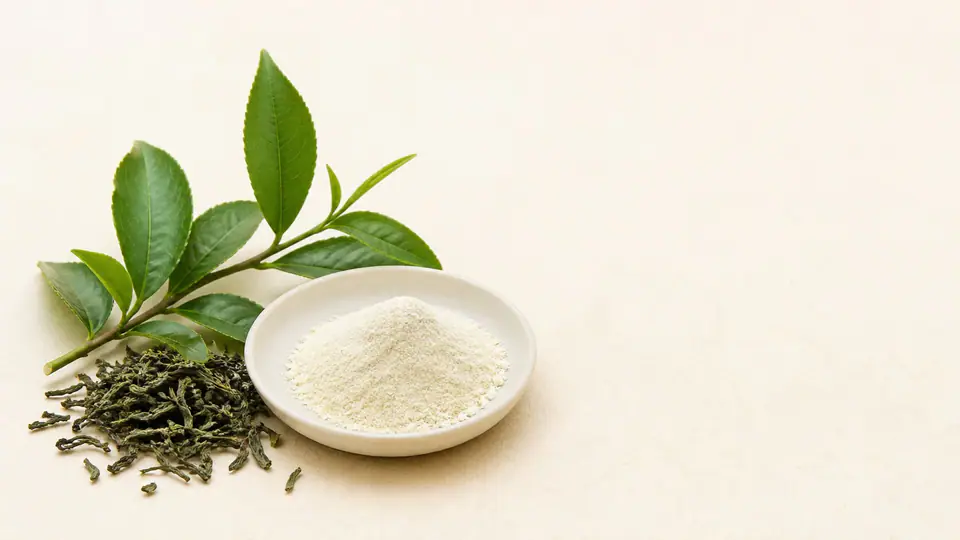
L-theanine is a non-protein amino acid found in the leaves of the tea plant Camellia sinensis It is a non-protein amino acid found in leaves. However, the fact that this ingredient exists in tea does not immediately translate to the effects of a sleep supplement or anxiety relief. This is because tea contains caffeine and various other components in addition to L-theanine.
Why this question arises
L-theanine has been studied through different lenses: sleep, stress/anxiety, and focus. However, when a cup of tea, a single L-theanine supplement, and a caffeine-combination product are grouped together, it becomes unclear which result applies to which form. What should we distinguish first?
Identity of the Ingredient: Amino Acids in Tea
L-theanine is an amino acid present in the leaves of the tea plant. It is characterized as a non-protein amino acid, meaning it does not form proteins. Since tea also contains caffeine and other components, the experience of drinking tea cannot be concluded as the effect of L-theanine alone.
Why the Expectation: Three Themes Gathered Under One Name
Sleep, stress/anxiety, and focus. These three themes recur around L-theanine. In a 2025 sleep meta-analysis reviewing 19 papers and 897 people, there were small signals of improvement in subjective sleep onset time, daytime functioning, and overall sleep quality. However, there was a lack of research on pure L-theanine, and dosage, duration, healthy participants versus clinical groups, and single versus complex products varied by study. Therefore, the optimal dose and long-term effects have not been determined.
A 2019 systematic review on stress and anxiety suggested possibilities across 9 studies but concluded that larger, long-term trials are necessary. Meanwhile, in a 10-week randomized trial of 46 patients with generalized anxiety disorder, adding L-theanine to antidepressants that were already being taken stably did not improve the severity of anxiety and insomnia more than a placebo. This is an example showing the gap between expectation and evidence.
A Cup of Tea vs. A Capsule: Same Ingredient, Different Exposure
The name L-theanine makes a cup of tea and a standardized single supplement feel like the same thing. Tea contains caffeine and other components. Complex products that include caffeine have different exposure levels and research questions. Results related to focus from tea or caffeine-combination products cannot be interpreted as the sleep effects of L-theanine alone.
| Category | A cup of tea | Standardized L-theanine single supplement | Caffeine-combination product |
|---|---|---|---|
| Included ingredients | Caffeine, various components | Primarily L-theanine | Includes caffeine |
| Research Question | Experience of the whole food | Effects of pure L-theanine | Effects related to alertness and concentration |
| Relationship with sleep goals | Caution due to caffeine | Separate verification required | May conflict with sleep goals |
Combination and Product Form: What to check before going to bed
If you are considering L-theanine for sleep purposes, you must first check if the product contains caffeine. Green tea extracts or energy/concentration complexes may contain caffeine, which could be counterproductive to sleep goals. Additionally, if taken with melatonin, sleeping pills, or sedative ingredients, you must separately monitor for drowsiness and changes in daily functioning.
While no significant adverse reactions were prominent in human trials, long-term and large-scale safety data are limited. Safety for pregnancy, lactation, children, or those taking multiple prescription medications is not sufficiently established, so you must consult a professional.
Individual circumstances and safety signals
Before considering L-theanine, verify how long the insomnia has lasted and whether causes such as snoring, apnea, depression, or anxiety have been evaluated. Persistent insomnia, severe daytime sleepiness, breathing interruptions, or worsening anxiety and depression should be addressed through medical evaluation rather than relying on supplements.
Between Evidence and Expectation: The Difference Between Possibility and Proof
Small signals of improvement in sleep meta-analyses indicate a possibility. Similarly, 9 studies in an anxiety literature review only suggested a possibility. The fact that there was no difference from the placebo in trials with patients with generalized anxiety disorder shows that efficacy in clinical populations has not been proven. Observed possibilities and clinical proof should not be described in the same terms.
Subjective sleep satisfaction and the clinical treatment of insomnia are based on different criteria. A subjective indicator, such as feeling that sleep is slightly more comfortable, must be viewed separately from the improvement of medically diagnosed insomnia.
Differences from Similar Ingredients: Issues Specific to L-theanine
Rather than comparing L-theanine with other sleep or anxiety ingredients, it is more important to distinguish between the forms of L-theanine itself. A cup of tea, a standardized single supplement, and a complex product combined with caffeine share the same ingredient name but differ in exposure and research questions. This distinction is a problem that must be resolved before comparing it with other ingredients.
Criteria to Check Today
In other words, when choosing L-theanine, you should check the following first rather than relying on the image of it being an ingredient from tea: whether the product is a single ingredient, whether it contains caffeine, melatonin, or sedative ingredients, what the cause of the sleep problem and concurrent medications are, and whether you recognize that the subjects, duration, and products of the studies differed. Only after all these criteria are verified can you decide whether or not to try it.
References
- PubChem: L-Theanine.
- L-theanine and sleep outcomes: systematic review and meta-analysis.
- L-theanine for stress and anxiety: systematic review.
- L-theanine adjunctive treatment for generalized anxiety disorder: randomized trial.
This text explains the origin of the raw materials, the scope of research, and precautions before consumption. As this cannot replace individual diagnosis or treatment, please consult a medical professional if you are taking medication or if symptoms persist. If sudden and severe symptoms such as difficulty breathing or decreased consciousness occur after consumption, seek help from 119 or the emergency room.

Medical Staff Review
Director Choi Yeon-seung
Chief Director of Baekrokdam Korean Medicine ClinicL-theanine Glossary, reviewed the safety of expressions and the scope of verification before administration.
Review scope: Ingredient origin, human subject research, concomitant medications, intake safety · Last reviewed 2026-08-16
- Graduated from Kyung Hee University College of Korean Medicine
- Providing Korean medicine treatment since 2010
- Consultations for Gongjindan, Gyeongokgo, Nokyong (Deer Antler) restorative medicine, and customized restorative herbal medicine