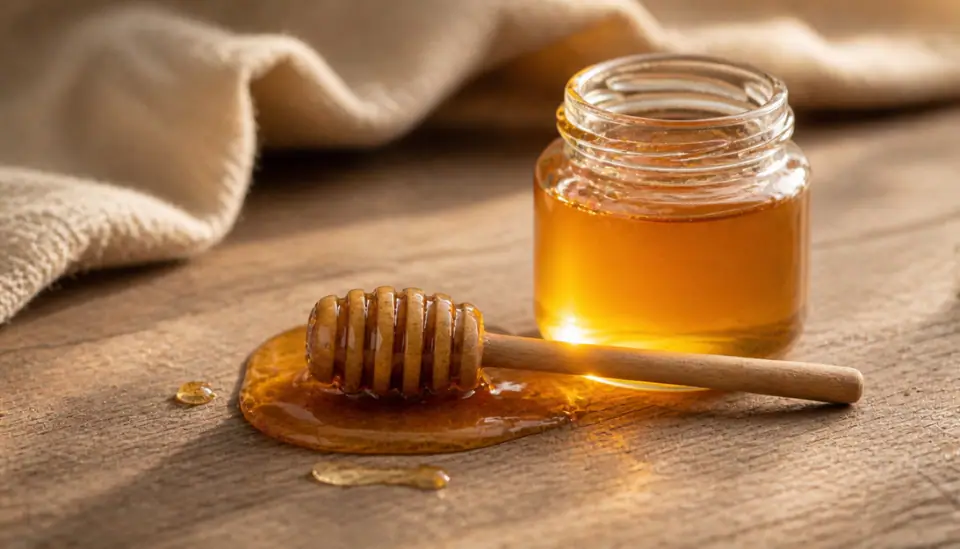
Food from the Gods, but Contraindicated for Infants and Diabetes, Honey
The Bencao Gangmu (Compendium of Materia Medica) describes honey as follows: “Honey (Top grade in the Shennong Bencao Jing) [Alternative names] Bee sugar (common name), rock honey (Shennong Bencao Jing), rock candy, rock honey. Taste and property: Sweet, neutral, non-toxic. Main indications: Pathogenic factors in the heart and abdomen, various convulsions and spasms, stabilizing deficiencies of the five viscera, supplementing Qi and the middle burner, relieving pain and detoxifying, eliminating various diseases, and harmonizing a hundred medicines. Long-term use strengthens the will, lightens the body, prevents hunger and aging, and extends life like an immortal.” This aligns with why it was revered as 'food from the gods' in ancient Egypt and Greece. The belief that its sweet taste and neutral properties lighten the body and reduce illness has persisted for over 2,000 years.
However, behind this praise lies a contrasting reality. The main components of honey are monosaccharides such as fructose and glucose; excessive intake can lead to increased blood sugar, weight gain, elevated uric acid, and strain on the kidneys. Particular caution is required for patients with diabetes or chronic renal failure. Furthermore, feeding honey to infants under 12 months of age poses a risk of food poisoning known as Infant Botulism. This is why honey, despite its nickname as an 'indefinitely preservable food,' is contraindicated for the most fragile bodies, infants.
Therefore, the amount, the user, and the method of using honey are critical. It is used as a topical agent inserted into the rectum to relieve constipation, as seen in the Miljeondo of the Shanghan Lun (Treatise on Cold Damage), or used with ginger and white peony root when blood is mixed in the urine, as seen in the Gangmiltang of the Dongui Bogam (Principles and Practice of Eastern Medicine). It also serves as a primary ingredient in Gyeongokgo, a long-standing restorative medicine. However, all these applications change fundamentally for those with diabetes, infants, allergic constitutions, or those experiencing diarrhea or abdominal bloating. We will outline these criteria one by one in the next section.
Summary at a Glance
While honey may seem mild in taste and property, it is a medicinal ingredient where who consumes it and how much is very important. The table below summarizes its core identity and usage criteria.
| Category | Content |
|---|---|
| Origin | Hanja name: 蜂蜜, Scientific name Apis mellifera Linnaeus, 1758, Hymenoptera, Apidae, Western honey bee |
| Properties and Meridian Tropism | Sweet, neutral, non-toxic. Primarily acts on the Spleen, Stomach, Lungs, and Large Intestine |
| Representative Aliases | Bee sugar, rock honey, rock candy, rock honey |
| Efficacy Recorded in Literature | Pathogenic factors in the heart and abdomen, various convulsions and spasms, stabilizing deficiencies of the five viscera, supplementing Qi and the middle burner, relieving pain and detoxifying, eliminating various diseases, and harmonizing a hundred medicines. Long-term use strengthens the will and lightens the body |
| Main Ingredients | Consists mostly of monosaccharides such as fructose and glucose; therefore, its use for moisturizing and nourishing coexists with concerns regarding blood sugar elevation |
| Combinations, Contraindications, and Precautions | Used in restorative medicines for nourishing Qi and Yin, but contraindicated for infants under 1 year; caution required for those needing diabetes or blood sugar control; excessive intake may strain weight, uric acid, and kidneys. Classically recorded to avoid simultaneous consumption with raw green onions, solo garlic, and lettuce |
Is this medicinal herb right for me?
While honey may seem mild in taste and property, it is a medicinal ingredient where who consumes it and how much is very important. Please check the criteria below to see which applies to your condition.
- Generally suitable cases: For adults with blood sugar within the normal range and no major digestive issues, using an appropriate amount for traditional prescriptions or daily nourishment is generally possible. It is often used harmoniously with other Korean herbal medicines, especially when one feels a lack of energy or dryness in the throat and large intestine.
- Cases requiring caution: Those with diabetes, unstable blood sugar control, chronic renal failure, or an allergic constitution sensitive to pollen or bee products must consult a Korean medicine doctor to adjust the dosage and duration of use. If diarrhea or abdominal bloating occurs, it is advisable to reduce the amount or discontinue use.
- Cases to avoid: It must never be used for infants under 12 months of age due to the risk of Infant Botulism food poisoning. Additionally, please note that classics such as the Benjing Shuyuan record that simultaneous consumption with raw green onions, solo garlic, and lettuce should be avoided.
Practical Q&A
Because honey is both a food and a medicinal ingredient, questions like “Can't I just eat it?” and “Should I avoid it?” often arise simultaneously. Based on common interests heard in the clinic, we have summarized the verified facts. Since the answers below may vary depending on the individual's condition, please determine specific intake or prescriptions through a consultation.
Can I not give honey to a baby under 1 year old?
Yes, as a rule, honey should not be given to infants under 12 months of age. Clostridium botulinum spores found in honey can proliferate in an infant's immature intestinal environment and cause Infant Botulism. The Ministry of Food and Drug Safety also officially warns about this. This standard applies equally to all infants under 1 year, regardless of the type or amount of honey.
If I have diabetes, must I avoid honey completely?
The main components of honey are monosaccharides such as fructose and glucose. While the taste is mild and the properties seem gentle, it is a high-sugar food that can affect blood glucose. Especially for those with diabetes or those managing fasting blood glucose and HbA1c, it is safe to consult with your attending medical staff before taking honey in the form of medicine or restorative tonics. The idea that “it's okay because it's natural” can actually be dangerous in this case.
Can I eat only honey when I have constipation?
In the 《Shanghanlun (Treatise on Cold Damage Diseases)》, Miljeondo (Honey-boiled Suppository)is a prescription. It is a topical application where honey is simmered over low heat, shaped into a rod, and inserted into the rectum to relieve constipation. This is a classical method intended for specific situations, namely when body fluids (Jin-yeok) are depleted and the stool has become hard. However, since the current cause of constipation may be due to a lack of dietary fiber, decreased bowel motility, other medical conditions, or medications being taken, it is important to identify the cause first rather than attempting to resolve it with honey alone.
Are there any foods that should not be eaten with honey?
In traditional pharmacognosy, there are records stating that consuming honey with raw green onions, raw garlic, lettucemay cause diarrhea. There are also records stating that it is dangerous to eat salted seafood after consuming excessive amounts of honey. However, these records are cited within the context of classical incompatibility (Sang-geuk), and evidence for such interactions in daily amounts in modern clinical practice is limited. Those with allergic constitutions or sensitivity to pollen and bee products should be particularly cautious.
Why is honey included in restorative herbal medicines like Gyeongokgo?
Gyeongokgo is a representative restorative prescription made based on Rehmannia glutinosa, Ginseng, Poria cocos, and white honeyHoney acts as a medium in this prescription to harmoniously release the efficacy of other medicinal ingredients and soften their taste and properties. This is the context of the classical phrase “Harmonizes a hundred medicines.” However, even restorative medicines can cause side effects if they do not match one's constitution and symptoms, so it is advisable to decide on taking Gyeongokgo after consulting with a doctor of Korean medicine.
Isn't it healthier to eat a lot of honey?
Honey is a high-calorie, high-sugar food. Excessive intake may lead to concerns such as increased blood sugar, weight gain, increased uric acid, and strain on the kidneys. The classical statement that “long-term use strengthens the will and lightens the body” refers to consistent use of an appropriate amount, not that more is better. The appropriate daily amount varies depending on an individual's health status, purpose of use, and whether it is part of a prescription; therefore, general recommended amounts are not broadly applied as if they were evidence for specific medicinal ingredients.
Relationship with Other Medicinal Herbs (Yakdae/Pairing)
In Korean medicine, honey is rarely used alone. Thanks to its sweet and gentle properties, it is included in prescriptions to refine the taste of other medicinal ingredients, protect the stomach, and help prevent the effects of medicines from clashing. This pairing relationship is traditionally called “Yak-dae (Medicinal Pair).” Here are representative prescriptions where honey forms a core composition.
- Gyeongok-go A classical restorative prescription composed of Rehmannia glutinosa, Ginseng, Poria cocos, and white honey. Honey serves as a medium that gently supports the properties of other restorative ingredients and enables long-term use. This prescription is recorded in texts such as the 《Bencao Gangmu (Compendium of Materia Medica)》.
- Gangmiltang (Ginger Honey Decoction) A combination of honey, Imperata cylindrica root, and ginger. It is a prescription used to treat symptoms where blood is mixed in the urine (hematuria/dysuria), and it is listed in the Internal Medicine section of the 《Dongui Bogam (Principles and Practice of Eastern Medicine)》.
- Miljeondo (Honey-boiled Suppository) A topical prescription made solely of honey. It is a method of relieving constipation by simmering honey over low heat, shaping it into a rod, and inserting it into the rectum. The 《Shanghanlun》 records this as: “In Yangming disease... although the stool is hard, it must not be attacked; one should wait until the patient desires to defecate, and then use a honey-boiled suppository to通 (clear) it.”
- Bencao Gangmu Additional Formulas There are also records of topical applications where honey is applied alone or together with raw green onions. It was used for constipation, thirst, swelling, and burns.
There are also precautions when combining ingredients. The 《Benjing Fengyuan》 states, “Do not eat with raw green onions, raw garlic, and lettuce,” and the 《Leigong Paozhi Yaoxingjie》 states, “Avoid raw green onions and dislike Genma (芫花).” These are records from traditional pharmacognosy; rather than applying them mechanically to a modern diet, it is advisable to consult a doctor of Korean medicine based on the prescription or usage situation.
In what form is it consumed?
It is most common to add it to tea or food. Because honey dissolves well in water and has a mild taste, it is widely used when taking medicinal herbs. However, since the appropriate usage varies depending on the form, we have summarized the guidelines within a verified scope.
- Tea/Beverage: It is common to mix it into warm water or tea. It is also used when the throat or gastrointestinal tract is dry, or to reduce the bitter taste of medicinal herbs.
- Food: It is often eaten with bread, yogurt, or fruit. However, when viewed as a food item, it is important to be mindful of the daily intake amount.
- Decoction: While honey may be included as a supplementary ingredient in Korean medicine prescriptions, decocting honey as the primary medicinal herb is not common.
- Professional Prescription: Honey is used as a key component in classical prescriptions such as Gyeongokgo, Gangmiltang, and Miljeondo. In particular, Miljeondo is an external prescription inserted into the anus and is used under professional judgment.
Interactions and Safety During Use
Although honey is a medicinal ingredient as familiar as food, there are parts that require more careful attention. The risks hidden behind the sweetness can be problematic even in small amounts for certain ages or medical conditions.
Precautions
- Infants under 1 year old: Feeding honey to babies under 12 months of age carries a risk of infant botulism food poisoning. The Ministry of Food and Drug Safety officially warns against this.
- Diabetes or need for blood glucose control: The main components of honey are monosaccharides such as fructose and glucose. Excessive intake may lead to increased blood glucose, weight gain, increased uric acid, and kidney strain; those with diabetes or chronic renal failure must be especially cautious.
- High-calorie, high-sugar foods: Even if it is a health food, excessive consumption should be avoided.
- Gastrointestinal symptoms: If diarrhea or abdominal bloating occurs, it is recommended to reduce the amount or stop use.
- Allergic constitution: Those sensitive to pollen or bee products should be mindful of reactions.
Classical Records of Incompatibility
In traditional pharmacognosy, there are records of several foods that should be avoided when consuming honey.
- Bongyeong Pongwon: “不可與生蔥、獨蒜、萵苣同食,令人下利.”, It is stated that eating honey with raw green onions, raw garlic, or lettuce may cause diarrhea.
- Leigong Paozhi Yaoxingjie: “畏生蔥,惡芫花.”, It is noted to avoid raw green onions and is incompatible with Yuanhua (coriander flower).
- Boncho Seung-a Bangu: “It should not be eaten with green onions or lettuce, as it may cause diarrhea. After eating honey to satiety, one should not eat salted seafood, as it may lead to sudden death.”, It is recorded that green onions and lettuce should be avoided, and eating salted seafood after consuming honey to satiety is dangerous.
The above classical record is cited within the context of traditional pharmacognosy and should not be interpreted as direct evidence of interactions in modern clinical practice.
Please check before taking
While honey is a medicinal ingredient with a wide safety margin, exceptions apply to infants, those with diabetes, kidney disease, allergic constitutions, and certain food combinations. If you are curious about the appropriate amount or prescription for your specific condition, please verify through a medical evaluation or consultation.
If you experience these symptoms
If you experience these symptoms
Honey is a common food in daily life, but if consumed excessively or if it does not suit your constitution or condition, the signals from your body cannot be ignored. The following symptoms are identified warning signs related to honey consumption. Do not simply try to manage this by reducing or stopping the amount on your own; if symptoms appear, please be sure to inform your attending Korean medicine doctor or medical institution.
- Diarrhea and abdominal bloating: These are common signals that appear when the sweetness and damp nature of honey place a burden on the gastrointestinal tract. Those who normally have weak digestive functions may experience these reactions even with small amounts.
- Blood sugar fluctuations: For those with diabetes or conditions requiring blood sugar control, blood sugar may rise sharply after consuming honey. Particular caution is needed if accompanied by dizziness, thirst, or fatigue.
- Allergic reactions: Those sensitive to pollen or bee products may experience sneezing, nasal congestion, skin rashes, or swelling of the lips and throat.
- Weight gain and increased uric acid: Long-term excessive consumption can lead not only to weight gain but also to increased uric acid levels and kidney strain.
- Adverse reactions in infants under 1 year old: If constipation, lethargy, loss of appetite, or decreased muscle tone appear after feeding honey to a baby under 12 months old, infant botulism must be suspected.
If symptoms are severe or worsen rapidly, especially if an infant shows difficulty breathing or general weakness, please use emergency medical services (119 or the nearest emergency room) immediately.
Differences from other restorative medicines
Honey is a pillar of restorative medicine, but its nature is distinctly different from other restorative medicines. Even under the same goal of 'tonifying the body,' the role honey plays is more buffering and harmonious. For this reason, honey is sometimes compared to representative restorative medicines such as Gongjindan or Gyeongokgo.
Gyeongokgo is a classical prescription composed of Rehmannia glutinosa, ginseng, Poria cocos, and honey; it has been traditionally used to gradually replenish the body's energy and improve the constitution. Here, honey is not merely added for sweetness, but serves to bind various restorative ingredients together and gently protect the gastrointestinal tract. Compared to Gongjindan, Gyeongokgo tends to nourish the body more slowly, and honey acts as a medium to ensure the medicinal ingredients do not clash during that process.
Gongjindan is a Qi- and Blood-tonifying prescription centered on Astragalus, Angelica gigas, and fresh ginseng, focusing on replenishing Qi and Blood simultaneously. This is a different direction from Gyeongokgo, which contains honey. While honey itself has the effect of replenishing energy and governing the center, it does not have the character of strongly boosting Qi and Blood like Gongjindan. Rather, honey is closer to a buffering agent that wraps the effects of restorative medicine so they do not act harshly on the gastrointestinal tract.
Therefore, rather than asking 'which restorative medicine can honey replace,' it is more appropriate to ask 'within which prescription does honey smoothly connect the actions of restorative ingredients.' If the body is extremely weak or if Qi and Blood must be replenished urgently, Gongjindan may be more appropriate; if you wish to manage your constitution slowly over a long period while also protecting the gastrointestinal tract, Gyeongokgo may be more appropriate. It is best to verify through a direct consultation whether honey is suitable for you or which prescription including honey is appropriate for your current state.
References
- Honey-related evidence 1: GBIF plant classification data.
- Honey-related evidence 2: Korea Institute of Korean Medicine official data.
- Honey-related evidence 3: Korea Institute of Korean Medicine official data.
- Honey-related evidence 4: Official data from the Ministry of Food and Drug Safety.
- Honey-related evidence 5: Official data from the Ministry of Food and Drug Safety.
- Honey-related evidence 6: GBIF plant classification data.
- Honey-related evidence 7: GBIF plant classification data.
- Honey-related evidence 8: PubMed academic paper.
If you would like to check if this medicinal herb is right for you or which prescription it should be used with, please leave a medical inquiry. For those who find it difficult to visit the clinic, non-face-to-face consultations are available; we will provide guidance after first reviewing your current condition and current medications.

Medical Staff Review
Director Choi Yeon-seung
Chief Director of Baekrokdam Korean Medicine ClinicHoney Dictionary Entry, reviewed the safety of expressions and the scope of verification before administration.
Review Scope: Clinical Accuracy, Pharmacology, Contraindications, Combinations, QA · Last Reviewed 2026-08-16
- Graduated from Kyung Hee University College of Korean Medicine
- Providing Korean medicine treatment since 2010
- Consultations for Gongjindan, Gyeongokgo, Nokyong (Deer Antler) restorative medicine, and customized restorative herbal medicine