From a vitamin needed for blood clotting to a supplement for bones and blood vessels
“Can I take vitamin K2, which is said to be good for bones and blood vessels? If I take warfarin, should I avoid both spinach and K2?” This question captures the most common misunderstandings surrounding vitamin K in a single sentence. In short, neither the idea that you must unconditionally take K2 nor the idea that you must completely stop eating spinach while taking warfarin is accurate. The important thing is to distinguish which form of K it is, how much is consumed, which medications are used concurrently, and to what extent those expectations have been verified.
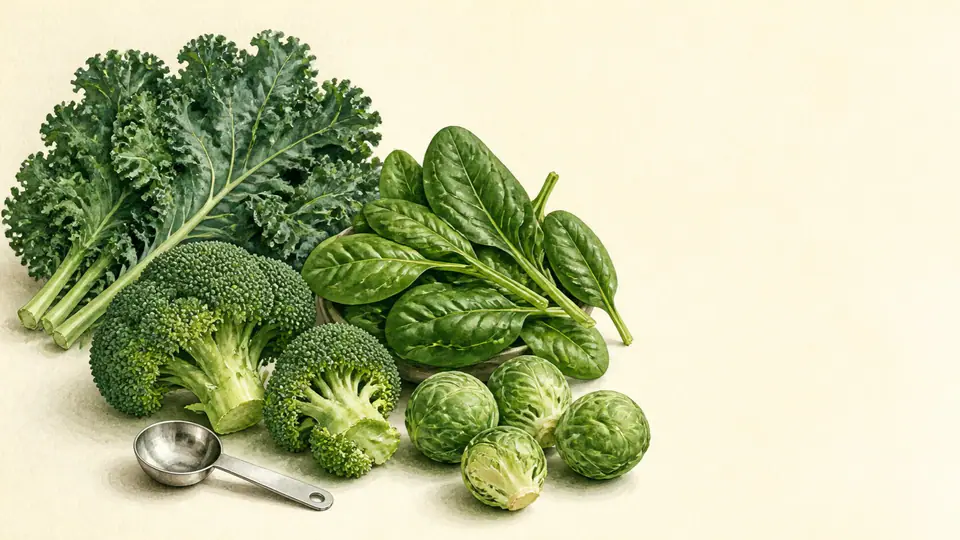
Vitamin K is a group of fat-soluble vitamins necessary for blood coagulation. This includes K1 phylloquinone, found in abundance in green vegetables, and K2 menaquinone, found in fermented foods, animal products, and supplements. Within K2, there are forms with different side-chain lengths and durations in the body, such as MK-4 and MK-7. However, K from food, general supplements, and high-dose menatetrenone pharmaceuticals prescribed in some countries use the same name but do not share the same dosage or indications. It is as if one name is pointing to several different paths simultaneously.
Where the questions began: Why did K2 move toward bones and blood vessels?
It starts with the fact that vitamin K is necessary for the carboxylation of coagulation proteins. The NIH ODS explains that while this vitamin is also necessary for the carboxylation of bone and soft tissue proteins, clinical deficiency is rare in healthy adults. However, as research extended to proteins called osteocalcin and matrix Gla protein (MGP), K began to be frequently mentioned as a supplement for bones and blood vessels beyond just coagulation. While the mechanism that these proteins must be carboxylated to function is interesting, it is not a clinical result proving that supplements prevent fractures or cardiovascular events. There is a gap between the expansion of the mechanism and the confirmation of the effect.
K1, K2, and MK-4 and MK-7 within K2
K1 phylloquinone, and MK-4 and MK-7 of K2 are all part of the vitamin K family. However, because their food sources, absorption, duration in the blood, and dosages used in research differ, effects cannot be grouped together simply under the name K2. While there are pharmacokinetic differences, such as MK-7 remaining in the blood longer or lowering certain markers more effectively, these are not direct comparison results proving that it prevents fractures or cardiovascular events better than K1 or other K2 forms. It is easy to feel that ingredients with similar names produce the same effects.
Reasons for expectations regarding supplements and aspects not yet confirmed
The fact that vitamin K is involved in the carboxylation of osteocalcin and MGP does not mean that supplements prevent osteoporosis or vascular calcification. In a meta-analysis of randomized trials in adults, signals for fractures and bone density from vitamin K became small or insignificant when studies with high risk of bias were excluded, and were insufficient to confirm a general preventive effect against osteoporosis. In a review of 9 controlled trials examining cardiovascular surrogate markers, carboxylation markers such as dp-ucMGP improved, but they did not consistently prevent the progression of arterial or valvular calcification or arterial stiffness. An improvement in markers does not mean that the progression of the disease has stopped.
K from food, K from supplements, and K from high-dose pharmaceuticals
K1 from green vegetables, K2 from fermented and animal foods, and supplements in capsule or tablet form act in different contexts even if they are the same vitamin. High-dose menatetrenone pharmaceuticals in some countries have different indications. K consumed naturally through food and K consumed intensively through supplements must be distinguished not only by the amount but also by the method of medical management. This distinction becomes even more important when taking warfarin.
With medications such as warfarin: Should you stop eating spinach and avoid K2?
Warfarin produces an anticoagulant effect by inhibiting the action of vitamin K. Therefore, it is commonly known that one “must stop eating spinach,” but guidelines, including those from the NIH ODS, recommend maintaining a generally consistent daily intake of vitamin K-rich vegetables rather than avoiding them entirely. Then, would reducing vegetables be safer? Because eating a lot suddenly or stopping entirely can cause the INR to fluctuate, it is important to keep the amount consistent. Before starting or stopping K supplements, you must discuss the INR plan with your prescriber. If you are taking vitamin K antagonists such as warfarin or acenocoumarol, you must inform your prescriber and not arbitrarily start or stop K1/K2 supplements, nor natto or concentrated green vegetable powders.
Other anticoagulants and people with kidney disease or calcification
Direct oral anticoagulants have a different mechanism. However, you should not arbitrarily change anticoagulants or attempt to resolve bleeding or calcification issues with K2. If you are undergoing treatment for chronic kidney disease, dialysis, vascular calcification, or osteoporosis, do not add high doses based solely on marker research; instead, verify the product and dosage with your treatment team. While K supplementation may garner interest in specific situations, it is not evidence to replace standard treatment.
Safety signals: When you should not stop at adjusting supplements
Vitamin K has low toxicity, so no upper limit has been set, but this does not imply the absence of significant interactions with warfarin or the unconditional safety of high-dose supplements. If you experience unstoppable bleeding, black stools, blood in the urine, sudden severe headache, or one-sided paralysis, do not simply monitor the situation while adjusting supplements; you must call 119 or receive an evaluation at an emergency room. These signals often indicate sudden changes in anticoagulation status or other emergency situations rather than the toxicity of K itself.
Criteria for Comparing Similar Ingredients
When choosing vitamin K, you must first understand the difference between K1 phylloquinone and K2 MK-4/MK-7. Next, you should not group vitamin K from green vegetables and fermented foods, standardized supplements, and high-dose medications used in some countries into the same category. You must also verify the gap between changes in protein markers, such as osteocalcin or dp-ucMGP, and actual bone density, fractures, or cardiovascular events. Finally, it is necessary to distinguish between vitamin K antagonists and anticoagulants with different mechanisms. These four comparisons form the framework for evaluating K supplements.
Realistic criteria to check today
Rather than relying on nicknames like 'K2' or 'vascular calcium transporter,' first verify the exact form and dosage, whether you are taking warfarin, and the consistency of your food intake. You must also be aware of the gap between changes in protein markers and actual fracture or cardiovascular outcomes. When choosing a supplement, the final decision criteria should be reviewed with your medical team, including: whether it is phylloquinone K1 or MK-4/MK-7; the total amount including multivitamins or bone health complexes; whether you are taking warfarin or acenocoumarol; whether your recent INR and dietary patterns are stable; what your goal is among osteoporosis, chronic kidney disease, or vascular calcification; and whether you are attempting to replace standard tests and treatments.
References
- NIH ODS: Vitamin K fact sheet for health professionals.
- NIH ODS: Vitamin K fact sheet for consumers.
- Vitamin K, bone mineral density and fractures: systematic review and meta-analysis.
- Vitamin K and cardiovascular disease surrogate outcomes: systematic review.
- Vitamin K supplementation and vascular calcification: meta-analysis of randomized trials.
This text explains the origin of the raw materials, the scope of research, and precautions before consumption. As this cannot replace individual diagnosis or treatment, please consult a medical professional if you are taking medication or if symptoms persist. If sudden and severe symptoms such as difficulty breathing or decreased consciousness occur after consumption, seek help from 119 or the emergency room.

Medical Staff Review
Director Choi Yeon-seung
Chief Director of Baekrokdam Korean Medicine ClinicVitamin K Preliminary Items, reviewed the safety of expressions and the scope of verification before administration.
Review scope: Ingredient origin, human studies, concomitant medications, safety of intake · Last reviewed 2026-08-17
- Graduated from Kyung Hee University College of Korean Medicine
- Providing Korean medicine treatment since 2010
- Consultations for Gongjindan, Gyeongokgo, Nokyong (Deer Antler) restorative medicine, and customized restorative herbal medicine