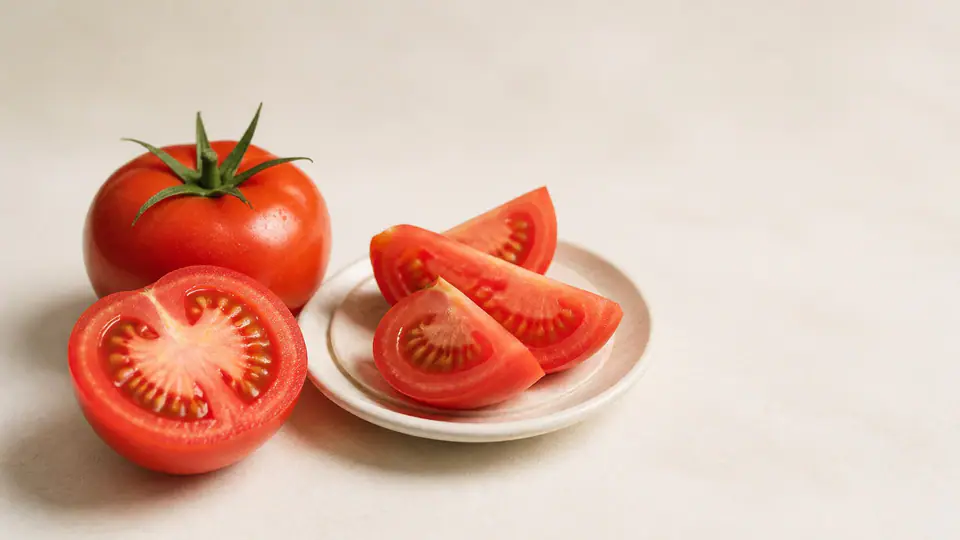
When the red fruit splits into three paths
Would eating a lot of tomatoes or taking lycopene separately help blood pressure and vascular health? In short, the answer to this question depends on the form of the tomato and which indicators are being considered. The research results are not consistent enough to conclude that it is a means of preventing or treating cardiovascular disease.
The tomato is the fruit of a nightshade plant Solanum lycopersicumKew lists this scientific name as the recognized scientific name for tomato and describes it as an edible fruit grown worldwide. It is a crop that can be eaten raw or cooked. However, as this single red fruit is divided into juices, sauces, and isolated lycopene capsules, different questions begin to mix under the same name 'tomato'.
Let's first distinguish what falls under the name 'tomato'
Tomato-based foods and isolated lycopene supplements cannot be viewed as the same form of exposure. Fresh tomatoes, cooked tomatoes, processed foods such as juices and sauces, and isolated lycopene supplements are each different interventions. Since tomatoes contain various components in addition to lycopene, it is difficult to consider whole tomato foods and isolated lycopene as the same. Fresh tomatoes and juices/sauces differ in processing methods, intake amount per serving, and accompanying ingredients, so their product labels must be reviewed separately.
Then, can we really judge a single tomato and a lycopene capsule in the same way? This is why it is necessary to first check the form used in the research.
Why the name lycopene raised expectations
As the red color and antioxidant image of tomatoes became concentrated under the name lycopene, expectations for vascular health grew. However, converting the red color and antioxidant image into a therapeutic effect is a separate matter. The observed color and ingredient name do not immediately signify the improvement of specific indicators or the prevention of disease.
What did the studies actually show?
In a 2023 meta-analysis of 34 randomized trials, tomatoes or lycopene did not significantly change most lipid, blood glucose, blood pressure, inflammation, or weight indicators. A signal appeared only in one oxidative stress indicator for lycopene. A 2026 umbrella review reported evidence for blood pressure improvement from tomato-derived lycopene, but the lipid results were inconsistent.
In a 12-week trial of 225 healthy middle-aged adults, neither eating a lot of tomato foods nor taking lycopene capsules improved traditional cardiovascular risk indicators. Because research conclusions vary by period, included studies, and formulation, tomatoes or lycopene cannot be definitively concluded as a means of blood pressure medication, lipid treatment, or disease prevention.
Changes in biomarkers and disease prevention are different questions
The statement 'lycopene helps blood pressure' may refer to changes in biomarkers, but that does not directly translate to the prevention or treatment of cardiovascular disease. Changes in biomarkers and the prevention/treatment of disease are different questions. Just because a signal is seen in one indicator does not mean the risk of disease is necessarily reduced.
What should be considered when choosing tomato products by type?
You must first determine whether it is a fresh tomato, a juice/sauce, or an isolated lycopene supplement. For processed juices and sauces, you must check the nutrition facts as sodium, sugars, and serving sizes vary by product. This is because what actually enters the body is different, even under the same name 'tomato'.
What to do when taking medication or in different personal situations
Even if blood pressure or lipid levels change, you must not arbitrarily reduce or stop prescription medications using tomato products. If suspected allergic reactions such as itching of the mouth or throat, hives, or respiratory symptoms occur after consuming tomatoes, you should stop and seek a medical evaluation. It is also important not to view the safety of tomatoes as general food and concentrated extracts or isolated lycopene supplements as the same.
How does tomato compare to similar ingredients?
When comparing whole tomatoes versus isolated lycopene, fresh fruit versus juices or sauces, and changes in biomarkers versus the prevention and treatment of cardiovascular disease, tomatoes are an ingredient where the value as a food and the expectations as an isolated component are intertwined. As a food, it is a whole containing various components; as an isolated component, there is only limited evidence regarding specific biomarkers.
Realistic criteria to check today
In other words, when choosing tomatoes, you should not equate the red color and antioxidant image with therapeutic effects. Instead, you must first verify the differences between whole foods, processed foods, and isolated components, the actual intake amount versus product labeling, and conflicting studies based on target biomarkers. Furthermore, if you are managing blood pressure or lipid levels, you should not use tomato products as an alternative to medication, but realistically consider what role they can play alongside your existing treatment.
References
- Kew Plants of the World Online: Solanum lycopersicum.
- Tomato and lycopene on cardiovascular risk factors: GRADE systematic review.
- Tomato-derived lycopene and cardiovascular risk: umbrella review.
- Tomato-rich diet and cardiovascular markers: randomized trial.
- Tomato allergy: clinical features and diagnosis.
This text explains the origin of the raw materials, the scope of research, and precautions before consumption. As this cannot replace individual diagnosis or treatment, please consult a medical professional if you are taking medication or if symptoms persist. If sudden and severe symptoms such as difficulty breathing or decreased consciousness occur after consumption, seek help from 119 or the emergency room.

Medical Staff Review
Director Choi Yeon-seung
Chief Director of Baekrokdam Korean Medicine ClinicTomato Dictionary Entry, reviewed the safety of expressions and the scope of verification before administration.
Review scope: Ingredient origin, human subject research, concomitant medications, intake safety · Last reviewed 2026-08-16
- Graduated from Kyung Hee University College of Korean Medicine
- Providing Korean medicine treatment since 2010
- Consultations for Gongjindan, Gyeongokgo, Nokyong (Deer Antler) restorative medicine, and customized restorative herbal medicine