How the Tuber Came to be Known as Inulin
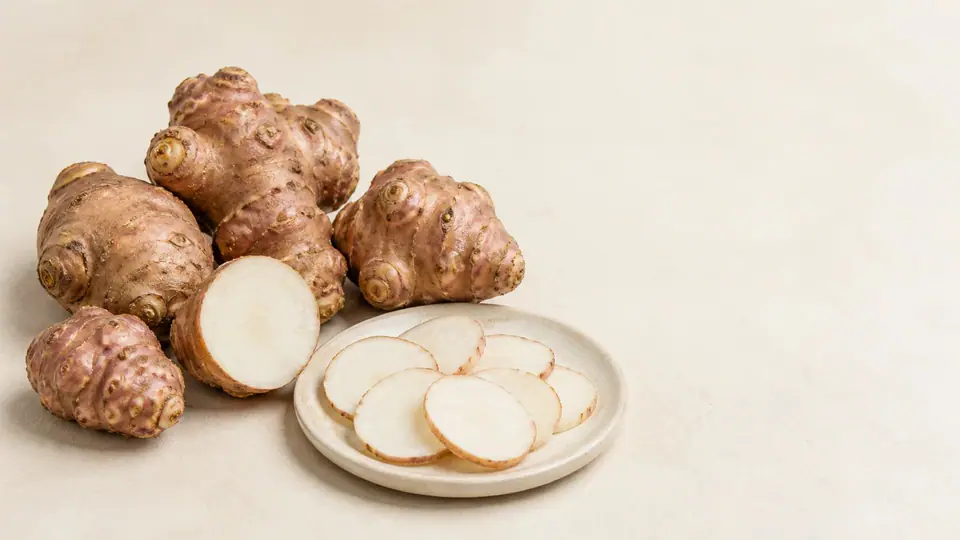
"I have diabetes; can I drink Jerusalem artichoke tea?" In short, a cup of tea should not be viewed as the same as a standardized dose of an inulin supplement. Jerusalem artichoke is a tuber from the Asteraceae family Helianthus tuberosusalso known as Jerusalem artichoke or ttungttanji. The more descriptive the name becomes, the more apparent the gap between a plate of the whole food and a standardized dose of the isolated component.
This gap is not simply a matter of quantity. Even for the same tuber, raw, dried, boiled, powder, tea, and supplement forms each have different contexts. The National Standard Food Composition Table by the Rural Development Administration lists raw, dried, and boiled Jerusalem artichoke as separate food items. The fact that the composition tables differ by state shows that processing and consumption methods change the nature of the raw material.
First, it is important to distinguish between the whole Jerusalem artichoke and the standardized inulin used in research. In other words, rather than focusing on the name, one must look at what is actually being consumed and in what form.
Common Questions
Questions about Jerusalem artichoke usually fall into two categories: whether it can be eaten as food, and whether it can be taken in the form of tea, powder, or supplements. While both questions concern the same ingredient, the amount of exposure and the form differ. Jerusalem artichoke consumed as tea, side dishes, or porridge is not under the same conditions as the standardized inulin used in research. Because of these differences, the name "Jerusalem artichoke" alone cannot explain every situation.
Identity and Names of the Ingredient
Jerusalem artichoke is the underground tuber of a plant belonging to the Asteraceae family. Scientific name Helianthus tuberosus, alias ttungttanji, English name Jerusalem artichoke. Having many names is a trace of its use as food across various cultures, but this text focuses only on its verified identity. As a tuber, it is easily treated similarly to potatoes or sweet potatoes. However, the reason Jerusalem artichoke has gained attention lies in its form of carbohydrate.
Why it is called Inulin
Jerusalem artichoke contains inulin-type fructans. Fructans are a type of carbohydrate found in some plants, primarily broken down by gut microbiota. Because of this component, Jerusalem artichoke has drawn interest regarding blood sugar and gut health. In human inulin studies, the increase in gut Bifidobacteria was relatively consistent, but other metabolic indicators varied by subject and study. This means that while the trend of increasing gut bacteria was similar across several studies, it did not necessarily lead directly to specific health indicators.
Inulin in Food vs. Inulin in Supplements
A cup of Jerusalem artichoke tea is not the same exposure as the standardized inulin used in research. This is the same reason why raw, dried, and boiled forms are listed as separate foods in the National Standard Food Composition Table. The amount brewed as tea, eaten as a side dish, or consumed as powder all differ, and none of them automatically match the standardized doses used in research. Therefore, it cannot be concluded that "eating Jerusalem artichoke will yield the effects seen in research."
Expectations for Blood Sugar vs. Scientific Evidence
In a meta-analysis of 33 randomized trials, significant changes related to blood glucose were primarily observed in the diabetes subgroup and were inconsistent in other groups. This means there is no evidence to view Jerusalem artichoke itself as a treatment for diabetes. Some studies focused on inulin, while others used raw Jerusalem artichoke or processed products. Since the health status of participants, dosage, form, and study duration all varied, a person with diabetes cannot expect the specific results of these studies simply by drinking Jerusalem artichoke tea.
What to Check When Taking with Medications
People taking diabetes medication should not replace their treatment with Jerusalem artichoke or inulin products and must inform their medical staff about their intake amount and any changes in blood glucose. When taking inulin powder or probiotic products concurrently, it is also necessary to check if the total amount of fructans is increasing. Taking multiple products together may increase the total dose beyond what was intended.
Personal Factors as Safety Signals
Inulin and fructans can cause gas, bloating, abdominal pain, and diarrhea, so you should first check your food reaction with a small amount. People with irritable bowel syndrome (IBS) or those on a low-FODMAP diet may experience worsening symptoms and should adjust the amount with a specialist. The same amount can act differently for those who are naturally sensitive in the gut. Rather than trying to reach a target dose from the start, it is more appropriate to start with a small amount, observe the reaction, and then increase it.
Comparison Between Raw Jerusalem Artichoke and Inulin Supplements
Raw Jerusalem artichoke and inulin supplements are different product categories, even if they share the same raw material. Raw material is food eaten at the table as a side dish, porridge, or tea, whereas a supplement is a quantified ingredient. The context of consumption also differs between raw, dried tea, and powder. Dried versions are concentrated as moisture is removed, and the components extracted in tea vary depending on the brewing method. Ignoring these differences and describing them as having the same efficacy collapses the distinction between food and concentrated ingredients.
Criteria to Check Today
So, what should be checked first today?
Before drinking Jerusalem artichoke tea, the first thing to check is not the name of its efficacy. First, determine whether it is a food or a concentrated ingredient, and assess your current blood glucose medication and gut sensitivity. If you are taking diabetes medication, record blood glucose changes and share them with your medical staff. If you have a sensitive gut or are on a low-FODMAP diet, lower the starting amount and coordinate with a specialist. When using multiple products together, check that the total amount of fructans does not overlap. These criteria help distinguish how much can be expected when approaching Jerusalem artichoke as a food rather than a medicine, or as a quantified ingredient.
References
- Rural Development Administration National Standard Food Composition Table.
- Rural Development Administration Guide to the Use of Jerusalem Artichoke.
- Inulin-type fructans and the gut microbiota: a systematic review.
- Inulin-type fructans and glycemic outcomes: meta-analysis of RCTs.
This text explains the origin of the raw materials, the scope of research, and precautions before consumption. As this cannot replace individual diagnosis or treatment, please consult a medical professional if you are taking medication or if symptoms persist. If sudden and severe symptoms such as difficulty breathing or decreased consciousness occur after consumption, seek help from 119 or the emergency room.

Medical Staff Review
Director Choi Yeon-seung
Chief Director of Baekrokdam Korean Medicine ClinicJerusalem Artichoke Dictionary Entry, reviewed the safety of expressions and the scope of verification before administration.
Review scope: Ingredient origin, human subject research, concomitant medications, intake safety · Last reviewed 2026-08-16
- Graduated from Kyung Hee University College of Korean Medicine
- Providing Korean medicine treatment since 2010
- Consultations for Gongjindan, Gyeongokgo, Nokyong (Deer Antler) restorative medicine, and customized restorative herbal medicine