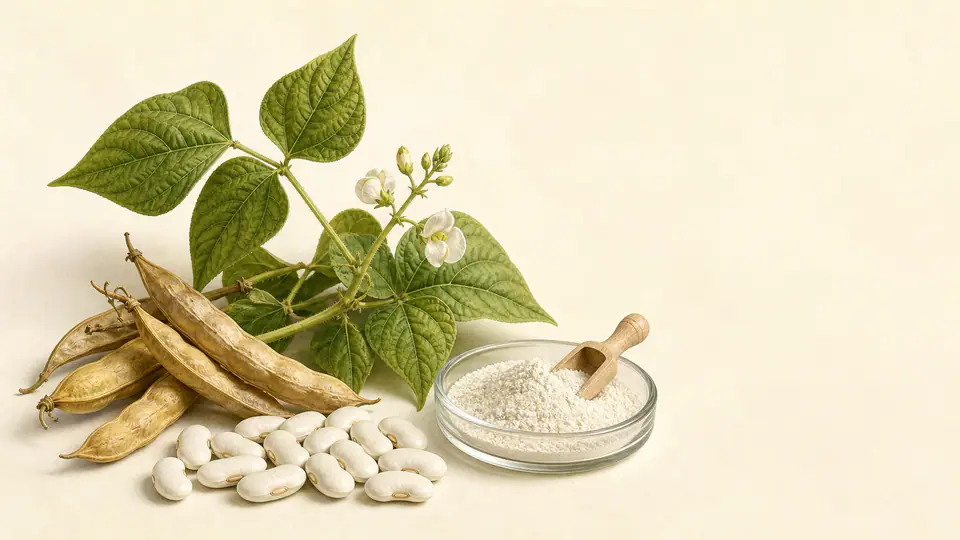
White Kidney Bean Extract: Three Types of Beans Under the Name 'Carb Blocker'
It is said that white kidney bean extract blocks carbohydrate absorption; will taking it before eating rice or noodles lead to weight loss? In short, the evidence for expecting weight loss is weak, and results vary across studies. While the mechanism of inhibiting starch-digesting enzymes actually exists, it does not mean that the calories from rice and noodles simply disappear.
It is crucial to distinguish this gap. Cooked white kidney bean foods, extracts standardized for alpha-amylase inhibitory activity, and raw or undercooked beans may share the same name, but they differ in nutrition, dosage, and safety. Overlooking this distinction leads to inflated expectations and clouded judgment.
Where the Questions Begin: The Term 'Carb Blocker'
White kidney bean extract is a common kidney bean species Phaseolus vulgaristo obtain alpha-amylase inhibitory activity. Alpha-amylase is an enzyme that breaks down starch in the saliva and small intestine. Inhibiting this enzyme may slow the rate at which starch is broken down into glucose. This is why the term 'carb blocker' is used.
However, enzyme inhibition does not mean carbohydrate absorption is completely blocked. Starch digestion may be partially delayed, but the possibility remains that it will be absorbed during later digestive processes. Furthermore, actual exposure varies depending on the activity of the product taken, the timing of intake, and the type and amount of the meal consumed. The fact that an enzyme is inhibited in a test tube does not mean that the absorption of a full meal is reduced by the same amount.
Identity of the Ingredient: A Type, Not a Separate Plant Species
White kidney beans are not a separate plant species but Phaseolus vulgarisa type of kidney bean. Most ingredients used in research are extracts standardized for alpha-amylase inhibitory activity. 'Standardization' means that activity can differ even for the same mg. Therefore, the total amount of extract listed on a product label alone cannot tell you how much enzyme inhibition to expect.
This is important because consumers easily expect the same effect based solely on the name 'white kidney bean extract.' In reality, the properties change depending on the processing method and whether the ingredient is standardized.
Reasons for High Expectations: Small Differences and Research Limitations
The National Institutes of Health (NIH ODS) states that white kidney bean extract may interfere with starch breakdown and absorption by inhibiting alpha-amylase, but adds that the effect on weight or body fat is small and the quality of research varies.
A 2011 meta-analysis reviewing 6 trials and 247 people found a mean difference in body fat, but the difference in weight was not significant. More notably, all included trials had significant methodological limitations. In a subsequent 12-week trial where both groups consumed a low-calorie diet, the 3,000 mg/day extract group showed a greater mean weight loss than the placebo group. This shows an additional difference when added to a low-calorie diet, but it does not mean the same difference persists with a regular diet or long-term use.
A 2018 meta-analysis on a specific branded ingredient reported a mean difference of approximately 1.08 kg, but it used undisclosed data from the manufacturer, and one of the authors had a conflict of interest from receiving past consulting fees. This paper must be read with that context. While the number looks like a small effect, the data source and conflict of interest warrant caution in interpretation.
Distinguishing Three Types of Beans: Cooked Beans, Extracts, and Raw Beans
Three different things are mixed under the name 'white kidney bean.'
Cooked white kidney beans are food. They contain dietary fiber and protein, and eating a moderate amount can contribute to satiety. Standardized extracts are supplement ingredients. They are processed for the purpose of alpha-amylase inhibitory activity and have different dosages and safety profiles than cooked beans. Raw or undercooked beans are another issue. The U.S. Food and Drug Administration (FDA) warns that phytohaemagglutinin in raw or undercooked kidney beans can cause severe vomiting and diarrhea, distinguishing them from properly cooked beans.
Raw bean lectin poisoning and the gastrointestinal side effects of commercial extracts cannot be concluded to be the same phenomenon. Conversely, one should not group cooked beans, raw beans, and extracts together to say 'beans are safe' or 'beans are dangerous.' The risks and effects vary by form.
When taking with medications or supplements
When using white kidney bean extract with other things, you must first identify the purpose. Whether the goal is weight loss, postprandial blood glucose control, or simply a meal replacement makes a difference.
When used with diabetes medication, changes in postprandial blood glucose may occur. This ingredient should not replace medical treatment, and blood glucose levels and symptoms must be monitored during use. As there is insufficient data on clinically significant interactions with other digestive medications, it is safer to inform your medical staff of all products you are taking rather than adjusting medication based on assumptions.
Individual circumstances and safety signals
In short-term trials, headache, loose stools, gas, abdominal bloating, and constipation have been reported. Safety data exceeding 13 weeks are insufficient. Therefore, the safety of long-term use has not been firmly established.
Individuals with soy allergies, pregnant or breastfeeding women, children, and those with chronic intestinal diseases should avoid arbitrary concentrated extracts or consult with medical staff. Raw or undercooked beans must not be consumed as a substitute for the extract. If repeated vomiting, severe diarrhea, dehydration, or difficulty breathing occurs, you must receive a medical evaluation immediately.
The Gap Between Human Evidence and Expectations
In other words, white kidney bean extract is an ingredient with a significant gap between the mechanism observed in test tubes and the effects observed in humans. While alpha-amylase inhibition is actually observed, the extent to which it leads to weight loss is small and inconsistent. Some studies only show results using low-calorie diets or specific branded ingredients; there is insufficient evidence to conclude that the extract alone provides a sustained effect with a general diet.
Then, what should you look for? On the product label, Phaseolus vulgaris you should check not only the amount of extract but also whether the alpha-amylase inhibitory activity is standardized. Products without standardized activity may produce different effects even at the same mg dosage.
Differences from Similar Ingredients: How to Compare Activity and Form
When comparing white kidney bean extract with other ingredients, keep the following pairs in mind.
Cooked white kidney beans vs. standardized extract. Extract mg vs. alpha-amylase inhibitory activity. Delayed starch breakdown vs. weight loss. Extract gastrointestinal symptoms vs. raw bean lectin toxicity.
This comparison helps organize the criteria for judgment rather than the ingredients themselves. By recognizing that different things can exist under the same name, you can reduce mistakes such as overestimating effects or underestimating risks.
Final Decision Criteria
If you are considering white kidney bean extract, check the standardized activity, trial period, accompanying dietary changes, and whether diabetes medication is being used, rather than relying on the phrase 'carb blocker.' It is important not to use supplements as a license to overeat or as a substitute for medical treatment. Expectations for weight or postprandial blood glucose are small, the quality of research varies, and long-term safety remains unclear. When choosing this ingredient, consider the form and activity, as well as your own diet and medication use, before the name.
References
- NIH ODS: Dietary Supplements for Weight Loss—Health Professional.
- Phaseolus vulgaris for weight loss: systematic review.
- Proprietary white bean inhibitor: systematic review.
- FDA: Natural toxins in food—bean phytohaemagglutinin.
This text explains the origin of the raw materials, the scope of research, and precautions before consumption. As this cannot replace individual diagnosis or treatment, please consult a medical professional if you are taking medication or if symptoms persist. If sudden and severe symptoms such as difficulty breathing or decreased consciousness occur after consumption, seek help from 119 or the emergency room.

Medical Staff Review
Director Choi Yeon-seung
Chief Director of Baekrokdam Korean Medicine ClinicWhite Kidney Bean Extract Glossary Entry, reviewed the safety of expressions and the scope of verification before administration.
Review scope: Ingredient origin, human studies, concomitant medications, safety of intake · Last reviewed 2026-08-17
- Graduated from Kyung Hee University College of Korean Medicine
- Providing Korean medicine treatment since 2010
- Consultations for Gongjindan, Gyeongokgo, Nokyong (Deer Antler) restorative medicine, and customized restorative herbal medicine