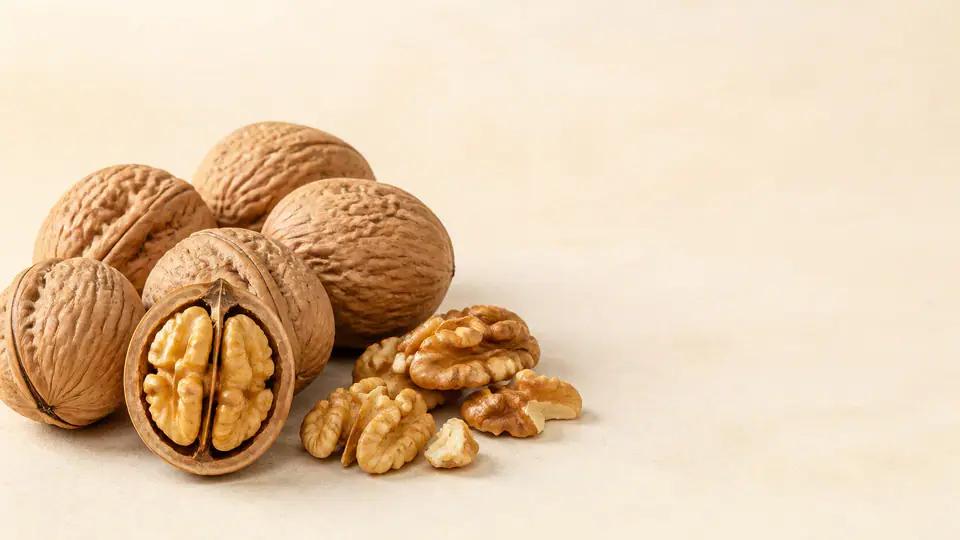
Brain-shaped nuts: Questions beyond the image
Some say eating walnuts daily is good for cholesterol, but will it cause weight gain? In short, since walnuts are high-fat foods, it is more important whether you eat them as a 'replacement for existing snacks or saturated fat foods' while managing your weight. If you simply add the same amount to your meals, the calories will continue to accumulate.
While the brain-like grooves of walnuts created an image of them being a 'memory food' and high-fat nuts became a symbol of heart-healthy diets, I would like to explore the stories regarding the association between shape and efficacy, the types of fats and total calories, and the difference between adding a handful to a meal versus replacing snacks or processed meats.
1. What are walnuts?
Kew classifies the commonly eaten walnut as Juglans regiaclassifies it as a species of temperate tree. The part we eat is the kernel inside the tree's seed. Whole walnuts, roasted walnuts, sweetened or salted products, walnut butter, and walnut oil differ in fiber, calorie density, fat content, and serving size, making it difficult to view them as the same 'dietary exposure.' In other words, processed products on the shelf are different foods from those dealt with in research, even if they share the same raw material.
2. Why are there high expectations for walnuts?
Walnuts provide unsaturated fats, dietary fiber, and ALA. However, the nutritional profile does not directly translate to memory improvement or disease treatment. Due to their brain-like shape, the association of 'eating a brain' was created, and thanks to unsaturated fats, they are often read as a symbol of heart-healthy diets. The plant-based omega-3 ALA in walnuts cannot be viewed as identical to the EPA and DHA found in fish or as having the same memory-treating effects.
3. What do blood lipid studies show?
In a meta-analysis of 26 controlled trials involving 1,059 people, walnut-fortified diets slightly lowered total cholesterol, LDL, and triglycerides. However, there was no significant difference in body weight or blood pressure compared to the control diet. The reduction in lipids was greater when compared to American or Western-style control diets, which is a clue that what was replaced is just as important as the walnuts themselves. A 2026 analysis of 49 randomized trials also reported a small average decrease in total and LDL cholesterol and triglycerides, but results for HDL and apolipoproteins were inconsistent.
4. Between small lipid changes and high expectations
Small changes in blood lipids and the prevention of myocardial infarction, stroke, or memory improvement are different clinical questions. It cannot be concluded that a slight decrease in cholesterol levels automatically reduces cardiac events or improves memory. This is why the number of studies, consistency, and limitations must be viewed together.
5. Which walnuts to eat and how to eat them
Whole kernels, roasted walnuts, sweetened/salted products, walnut butter, and walnut oil are not the same exposure. Salted/sweetened walnuts and walnut butter differ in sodium, sugar, and total intake, making them different from studies on raw materials. So, what should you look for? First, whether the daily amount is a handful or if you are mindlessly eating from a large bag. Second, whether they are coated in salt or sugar. Third, whether you are simply adding them to your usual diet or replacing existing snacks or fats.
6. How does it relate to body weight?
Walnuts are calorie-dense foods. When managing weight, it is more reasonable to replace existing snacks, processed meats, or saturated fat snacks with walnuts and set a specific portion, rather than simply adding them to your diet. Research showing that walnut-fortified diets did not result in significant weight differences should be interpreted within the context of 'eating them instead' of other foods.
7. Combining with Other Foods and Individual Circumstances
If you are consuming walnuts along with other supplements or foods, the first thing to consider is whether you are replacing existing snacks or fats, or simply adding them to your usual meals. Next, check the daily amount, the processed form, and whether you have nut allergies (such as walnuts or pecans) or have experienced oral itching, hives, or respiratory symptoms after consumption.
8. Allergies and Safety Signals
Walnuts can cause IgE-mediated allergies and anaphylaxis. It is advisable not to assume they are safe just because they have been roasted or processed. The possibility of cross-reactivity between walnuts and other nuts, such as pecans or hazelnuts, varies by individual, so you should not test other nuts on your own. If you experience throat tightening, difficulty breathing, systemic hives, or dizziness after consumption, seek emergency help immediately.
9. Differences from Similar Ingredients
It is important to distinguish between walnuts and other nuts, as well as between whole kernels, butter, walnut oil, sweetened or salted products, and whether they are added to a meal or used to replace saturated fat snacks. Even under the name 'walnut,' forms and uses vary, and within the 'nut' category, individual allergic reactions differ.
10. Criteria to Check Today
Rather than focusing on the image of being a brain-shaped superfood, first check the exact portion size per serving, the foods being replaced, the difference between lipid surrogate markers and cardiovascular events, total calories, processed form, and nut allergies. When choosing walnuts, asking 'what is being replaced, how much, and in what form' should come before discussing efficacy.
References
- Kew Plants of the World Online: Juglans regia.
- Walnut consumption and cardiovascular risk factors: updated meta-analysis.
- Walnut intake and lipids: randomized trial meta-analysis.
- Walnut lipids and apolipoproteins: GRADE dose-response meta-analysis.
- Diagnosis and management of walnut and other tree nut allergies.
This text explains the origin of the raw materials, the scope of research, and precautions before consumption. As this cannot replace individual diagnosis or treatment, please consult a medical professional if you are taking medication or if symptoms persist. If sudden and severe symptoms such as difficulty breathing or decreased consciousness occur after consumption, seek help from 119 or the emergency room.

Medical Staff Review
Director Choi Yeon-seung
Chief Director of Baekrokdam Korean Medicine ClinicWalnut Dictionary Entry, reviewed the safety of expressions and the scope of verification before administration.
Review scope: Ingredient origin, human studies, concomitant medications, safety of intake · Last reviewed 2026-08-17
- Graduated from Kyung Hee University College of Korean Medicine
- Providing Korean medicine treatment since 2010
- Consultations for Gongjindan, Gyeongokgo, Nokyong (Deer Antler) restorative medicine, and customized restorative herbal medicine