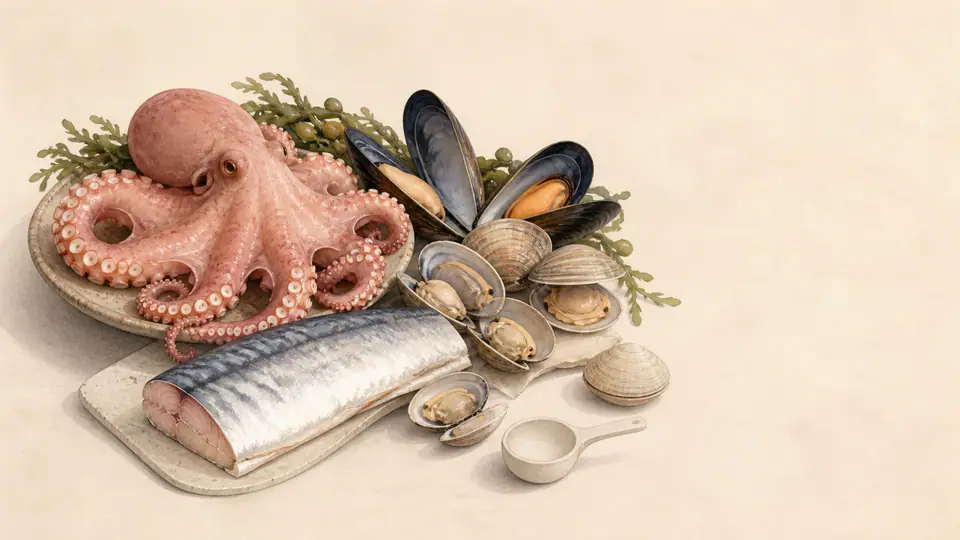
An ingredient also found in squid becomes the symbol of energy drinks
Is it okay to take taurine or energy drinks every day because of fatigue? In short, the raw ingredient taurine itself is not the same as the energy drinks you drink daily, and the habit of masking fatigue should be carefully considered. Taurine is a sulfur-containing amino sulfonic acid present in our bodies, but this does not mean that high-dose supplemental intake will immediately eliminate fatigue or replace treatments for cardiovascular disease.
This ingredient is a substance naturally present in the body, also found in squid and meat. As the name became synonymous with restorative tonics and energy drinks, it is easy to confuse single supplements with caffeine mixtures, average blood pressure changes of a few mmHg with fatigue recovery, and the short-term safety of normal kidney function with long-term habits. In that case, what should you distinguish first on the label?
1. Context of the Question: The daily habit of masking fatigue
If you seek taurine or energy drinks every day due to fatigue, the first question to ask is, 'Does this resolve the cause of the fatigue?' Taurine is an amino sulfonic acid present in the body, but it is not an amino acid that constitutes proteins, nor is it a substance like a stimulant. However, because it frequently appears on energy drink labels, it has naturally become a name associated with 'fatigue recovery.' The fact that it exists in the body does not necessarily mean that 'the more you consume, the better.'
2. Identity and Background of the Ingredient: Not an amino acid that forms proteins
Taurine is 2-aminoethanesulfonic acid, which has a different form from the general alpha-amino acids that make up proteins. It is a sulfur-containing amino sulfonic acid that exists in a free form in various tissues of the body. It is neither a protein-constituting amino acid nor a stimulant. Explaining that it is naturally present in the body only identifies what it is; it is not a dosage guide suggesting that fatigue is relieved more as you consume more.
3. Reasons for Expectations: What did the research report?
A 2024 meta-analysis of 20 randomized trials involving 808 people reported small average changes in heart rate and blood pressure, and changes in some heart failure functional indicators. However, the target diseases and trial conditions varied greatly. A 2018 blood pressure meta-analysis of 7 studies and 103 people reported a decrease of approximately 3 mmHg, but the sample size was small and the range of doses and durations was wide. A 2022 systematic review on heart failure concluded that more formal clinical trials are needed, as only one paper was rated as high quality. In other words, small average changes in indicators, immediate alertness/fatigue improvement, and the prevention of cardiovascular events are different outcomes.
4. Differences between whole foods/raw materials and product forms such as extracts, concentrates, or capsules
Taurine is contained in squid and meat. However, intake through food, single supplements, and energy drinks mixed with caffeine and sugar are not the same exposure. Food enters the body slowly along with other nutrients, supplements come in concentrated forms, and energy drinks enter all at once with caffeine, sugar, and vitamins. The actual physiological response occurring under the same word 'taurine' inevitably differs depending on the product form.
| Category | Accompanying components | Points to Consider |
|---|---|---|
| Taurine in food | Proteins and other nutrients | Part of a daily diet |
| Single supplement | Taurine alone or with a few excipients | Verify research evidence and dosage range |
| Energy drinks | Caffeine, sugar, vitamins, etc. | Check all ingredients and the total daily dose |
5. When taking with medications or supplements
If you are taking medication for blood pressure or diabetes, overlapping changes in indicators may occur. It is important to check your levels and not adjust your medication arbitrarily. Since some studies have shown small changes in blood pressure and blood glucose indicators with taurine, you must remain open to the possibility of unexpected changes when combined with medication. Caution is also required for those with kidney, heart, or liver disease for the same reason.
6. Individual Circumstances and Safety Signals: Who was the target of the study?
Even if relatively high doses were used in limited trials targeting adults with normal kidney function, those results are not directly applied to patients with kidney disease, pregnant women, children, or those taking it daily for long periods. Safety data is derived from specific conditions; if the target user or duration changes, the same safety margin is not guaranteed. What should you look for then? You must consider your own kidney function, current medications, and the full list of ingredients in the product.
7. The Gap Between Human Evidence and Expectations
Results showing changes in blood pressure, blood glucose, or lipid indicators are not evidence that taurine provides immediate fatigue recovery or replaces cardiovascular disease treatments. Average numerical changes are observed in groups and cannot be assumed to be reproduced identically in every individual. Furthermore, this does not mean those changes led to clinical outcomes that lower disease risk. Expectations for taurine become appropriate only when the limitations of research and the gap in interpretation are considered.
8. Differences from Similar Ingredients: What FDA GRAS Notification Means and Does Not Mean
The FDA's GRAS notification for taurine is a record that the FDA did not object to the submitted data regarding specific conditions of use. This does not mean the FDA has approved the efficacy or safety of all high-dose supplements or energy drinks. Conclusions regarding specific food use conditions should not be misread as labels supporting the overall health effects of all supplements or energy drinks. Remembering this distinction is helpful when viewing product advertisements or label claims.
9. Final Judgment Criteria: Realistic Standards to Check Today
Rather than the image of it being a 'fatigue-fighting ingredient,' first check the actual caffeine and sugar content, the total daily amount, the expected results, the scope of small short-term trials, your kidney function, current medications, and the cause of persistent fatigue. Distinguish whether it is a single-ingredient taurine product or an energy drink containing caffeine, sugar, and vitamins, and check for the use of blood pressure or diabetes medication and the presence of kidney, heart, or liver disease. You should also reflect on whether you are experiencing throbbing or insomnia due to repeated intake as a substitute for sleep to mask fatigue. The criterion for choosing this ingredient is to look at the overall product profile and your own health status rather than just the name.
References
- FDA GRAS Notice 586: Taurine.
- Taurine and cardiovascular parameters: systematic review and meta-analysis.
- Oral taurine and resting blood pressure: meta-analysis.
- Taurine in cardiomyopathy and heart failure: systematic review.
- Taurine in prehypertension: randomized controlled trial.
This text explains the origin of the raw materials, the scope of research, and precautions before consumption. As this cannot replace individual diagnosis or treatment, please consult a medical professional if you are taking medication or if symptoms persist. If sudden and severe symptoms such as difficulty breathing or decreased consciousness occur after consumption, seek help from 119 or the emergency room.

Medical Staff Review
Director Choi Yeon-seung
Chief Director of Baekrokdam Korean Medicine ClinicTaurine Dictionary Entry, reviewed the safety of expressions and the scope of verification before administration.
Review scope: Ingredient origin, human studies, concomitant medications, safety of intake · Last reviewed 2026-08-17
- Graduated from Kyung Hee University College of Korean Medicine
- Providing Korean medicine treatment since 2010
- Consultations for Gongjindan, Gyeongokgo, Nokyong (Deer Antler) restorative medicine, and customized restorative herbal medicine