A Story of Distinction Told by Methionine, the First Amino Acid of Protein
Should I take methionine separately for liver detoxification or muscle growth? Should I avoid it if my homocysteine levels are high? These questions contain the most common misunderstandings about methionine.
In short, healthy adults who consume sufficient protein have no reason to add it separately. If homocysteine levels are high or the status of related B vitamins is uncertain, high-dose single supplementation should be approached with caution. While methionine is an essential amino acid that serves as the starting point for proteins and sulfur/methyl group metabolism, its 'essential' nature does not imply a need for high-dose single supplements.
What is Methionine?
Methionine is a sulfur-containing essential amino acid that must be obtained from dietary proteins. When the body produces proteins, methionine often appears in the first position as the starting point. Furthermore, methionine is the raw material for S-adenosylmethionine (SAMe) and is linked to cysteine metabolism. Therefore, methionine is not merely a building block for muscle protein, but a central axis of the metabolic network through which sulfur and methyl groups flow.
There is an important distinction to be made here. Methionine in dietary protein, L-methionine supplements, DL-methionine, and SAMe are not the same preparations. Even if the names are similar, their pathways into the body and metabolic fates differ. Without this distinction, discussions about methionine quickly lead to confusion.
The Misconception Surrounding the Term 'Essential Amino Acid'
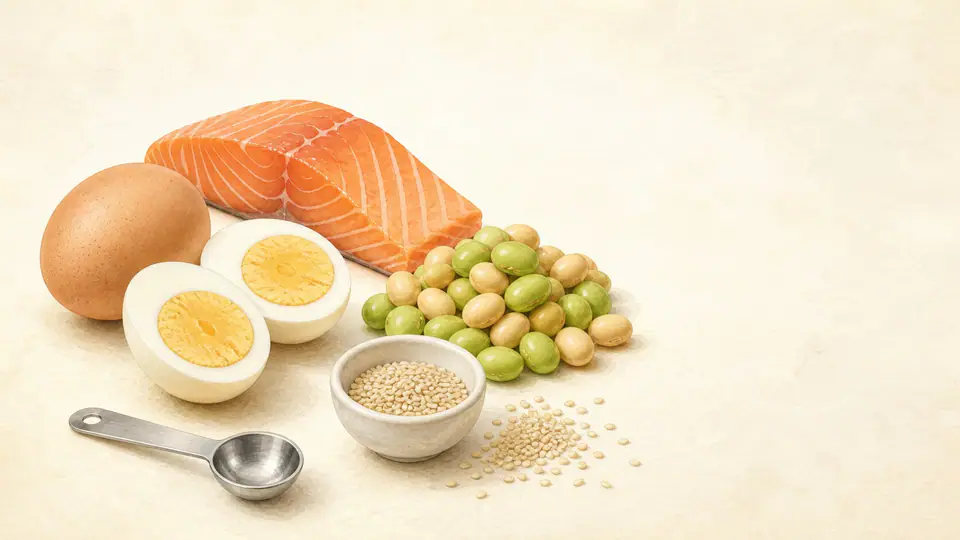
The term 'essential amino acid' means it is required through diet. However, it does not mean that someone who already eats enough should take more via a single supplement. Methionine is found in protein-rich foods such as soybeans, fish, meat, and dairy; a balanced diet can meet the required amount without additional supplementation.
Why then is methionine associated with keywords like 'liver detox' or 'muscle growth'? It is because methionine is indeed involved in methyl group and sulfur metabolism in the liver. However, being involved is entirely different from the idea that taking more will increase the effect in someone who is not deficient. Methionine is the starting point of a function, not a performance lever that can be cranked up with high doses.
Reasons for High Expectations: Methylation, Sulfur, and SAMe
Methionine attracts attention because it spans methylation and sulfur metabolism. Methionine is a precursor to SAMe, and SAMe is the central substance in reactions that transfer methyl groups. This process is closely linked to folate and related B vitamins. Therefore, when assessing methionine status, one must look at the status of these B vitamins and the overall metabolism, not just methionine itself.
Research on SAMe supplements and research on single methionine supplements cannot be applied interchangeably. SAMe is a substance that enters the body in an already active form, whereas methionine is merely its precursor. Applying results from SAMe research directly to single methionine supplements is a typical confusion arising from the similarity in names.
The Difference Between Dietary Protein and Single Methionine
Methionine in dietary protein is balanced with other amino acids. In contrast, single high-dose methionine is a form that deviates from that balance. Since amino acids are absorbed and metabolized competitively, introducing a large amount of one can create an imbalance. Additionally, the possibility of gastrointestinal symptoms from single high doses must be considered.
What should be prioritized then? First, it is essential to check if daily protein intake is sufficient. If protein intake is adequate, methionine is likely sufficient as well. Before adding L-methionine, DL-methionine, or amino acid complexes, one should consider whether there is a genuine deficiency and if there is evidence of such a deficiency.
When taking with medications or supplements
When considering methionine, its relationship with other substances must be examined. In particular, it is advisable not to self-administer if homocysteine levels are high or if a deficiency in folate or related B vitamins is suspected. Since methionine is a precursor to homocysteine, the possibility of increasing homocysteine levels grows if the B vitamin status is not supported.
The same applies to those with liver or kidney disease. Because many amino acid metabolism pathways are processed in the liver and kidneys, additional supplementation may actually be a burden if the functional status of these organs is unstable. There is insufficient evidence regarding the safety and long-term use of high doses in children or during pregnancy and lactation.
Individual circumstances and safety signals
If repeated vomiting, severe confusion or changes in consciousness, or severe allergic symptoms occur during methionine supplementation, you must seek a prompt medical evaluation. These are emergency signals that can be expected from single high-dose amino acid supplementation. For those who typically have high homocysteine, it is wiser to first identify the cause of the increase and check B vitamin status rather than taking more methionine.
The Gap Between Human Evidence and Expectations
Clinical research on methionine is not as straightforward as expected. A crossover trial and a 6-month trial involving 24 participants showed that the effect of methionine on homocysteine can vary depending on dietary composition. A 2020 clinical review emphasized the risk of hyperhomocysteinemia and the uncertainty of the target population more than the potential benefits of supplemental methionine.
While one review suggested approximately 46 mg/kg/day as a No Observed Adverse Effect Level (NOAEL) for high-purity supplemental methionine in healthy adults, this is not an official upper limit or target intake. In other words, this number cannot be accepted as a safe maximum limit. Given the small number of studies and lack of consistency, overinterpreting the effects of methionine goes beyond the scope of the evidence.
Summary of differences from similar ingredients
The confusion surrounding methionine begins with the difference in names and forms. The following distinctions serve as criteria for selection.
| Category | Key Difference |
|---|---|
| Dietary Protein vs. Single Methionine | Food provides amino acids in a balanced form, while single agents provide high doses that deviate from that balance |
| L-Methionine · DL-Methionine vs. SAMe | Methionine is a precursor, whereas SAMe is a separate, already activated agent |
| Essential Intake vs. High-Dose Supplementation | Necessary when deficient; additional effects are uncertain when intake is sufficient |
| Methylation Mechanism vs. Clinical Results | While the mechanism exists, treatment results in humans are not straightforward |
SAMe and methionine follow the same pathway, but they are not the same vehicle.
Realistic criteria to check today
If you are considering methionine, please check these three things first. First, clarify whether the product containing additional methionine is L-methionine, DL-methionine, SAMe, or an amino acid complex. Second, determine if your goal is general nutrition, muscle growth, liver health, or urinary acidification, and assess whether your current protein intake is sufficient. Third, check for elevated homocysteine levels, liver or kidney disease, pregnancy or breastfeeding, and the use of related medications.
Rather than focusing on the labels 'essential' or 'detoxifying' amino acid, first check the protein in your diet, the additional grams being taken, and your homocysteine and B-vitamin status. The most important criterion for choosing this ingredient is to avoid attributing the results of SAMe or animal studies directly to the effects of single methionine.
References
- PubChem: L-Methionine.
- Metabolic consequences of supplemented methionine.
- Proposals for safe supplemental methionine limits.
- Methionine and homocysteine randomized crossover trial.
This text explains the origin of the raw materials, the scope of research, and precautions before consumption. As this cannot replace individual diagnosis or treatment, please consult a medical professional if you are taking medication or if symptoms persist. If sudden and severe symptoms such as difficulty breathing or decreased consciousness occur after consumption, seek help from 119 or the emergency room.

Medical Staff Review
Director Choi Yeon-seung
Chief Director of Baekrokdam Korean Medicine ClinicMethionine Glossary, reviewed the safety of expressions and the scope of verification before administration.
Review scope: Ingredient origin, human studies, concomitant medications, safety of intake · Last reviewed 2026-08-17
- Graduated from Kyung Hee University College of Korean Medicine
- Providing Korean medicine treatment since 2010
- Consultations for Gongjindan, Gyeongokgo, Nokyong (Deer Antler) restorative medicine, and customized restorative herbal medicine