A name that started with egg yolks, but the name itself does not equal brain nutrition
If I take lecithin for memory, fatty liver, or cholesterol, can I better replenish the choline needed for cell membranes and the brain?
Simply put, it is not that directly linked. While lecithin is physiologically significant as a source of phospholipids and choline that make up cell membranes, this does not immediately translate to memory recovery or therapeutic effects for fatty liver and cholesterol. The name lecithin moved from being a food emulsifier to a brain and liver nutrient supplement, and there are still gaps in the evidence between those two roles.
Why is lecithin mentioned for both the brain and liver?
Lecithin can contain phospholipids that build cell membranes and choline required for acetylcholine synthesis. The NIH ODS explains that choline is necessary for cell membrane phospholipid and acetylcholine synthesis. It is natural that this physiological function is linked to brain health. However, the fact that choline is a necessary raw material is a different matter from lecithin supplements having a therapeutic effect on memory. It is a stretch to assume that a single physiological link leads directly to symptom improvement after intake.
Lecithin is not a single ingredient
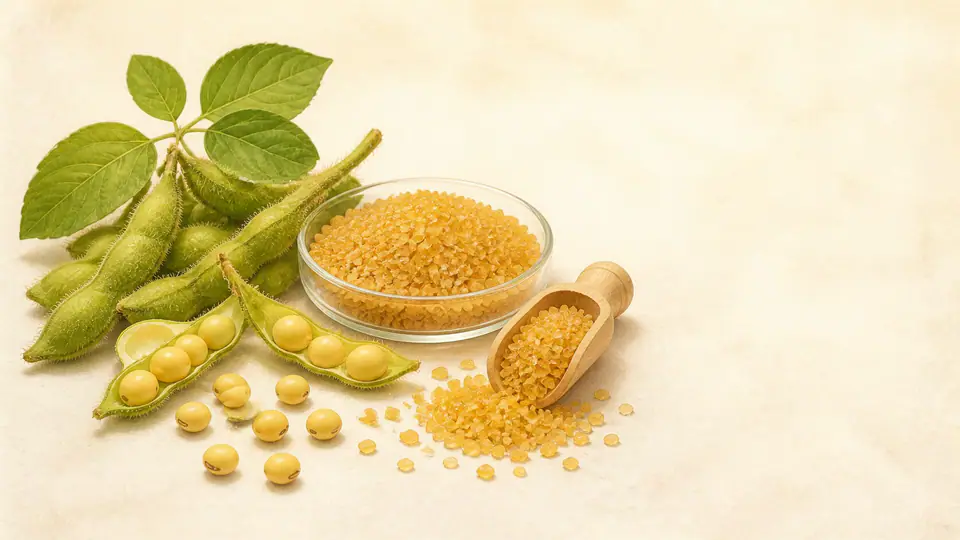
Lecithin is not a single pure ingredient, but a mixture of various phospholipids, such as phosphatidylcholine, phosphatidylethanolamine, and phosphatidylinositol, and small amounts of lipids. The US FDA describes commercial lecithin as a mixture of these phospholipids and small amounts of lipids. The name comes from its first isolation from egg yolks, but today, raw materials derived mainly from soy, sunflower, and eggs are used in foods and supplements. Therefore, if a product label only says 'lecithin,' it is impossible to know which phospholipids are actually present and in what amount.
A bridge between oil and water in food
The most definitive role of lecithin is as an emulsifier in food processing that helps prevent oil and water from separating. The US FDA cites lecithin as a representative example of an emulsifier that helps oil and water in food stay mixed. This property is what creates the smooth texture in products like chocolate, dressings, and margarine. The amount used as an emulsifier in food is not the same as the exposure from taking concentrated powders, granules, or capsules daily. Even with the same name, the small amounts scattered in food and the concentrated forms in supplements differ in dosage and exposure patterns.
Names tied to expectations: Phosphatidylcholine and Choline
Phosphatidylcholine in lecithin is one source of choline. Choline is necessary for the synthesis of cell membrane phospholipids and acetylcholine. Because of this connection, there is an expectation that lecithin will help brain function or liver fat metabolism. However, the total amount of lecithin in a product does not equal the content of choline or phosphatidylcholine. Since lecithin is a mixture, the total amount on the front of the product cannot be used to calculate the actual intake of phosphatidylcholine or choline.
What do human studies show?
In a review of randomized trials including 265 people with Alzheimer's disease, 21 with Parkinson's disease dementia, and people complaining of memory problems, there was no clear clinical benefit showing that lecithin treats dementia or cognitive decline. It is noteworthy that results were inconsistent despite the variety of study subjects and disease types. There is also a lack of reliable clinical evidence that lecithin can treat fatty liver or high cholesterol or replace prescription medications. This reveals the gap between the physiological function of being a cell membrane material and a precursor to brain neurotransmitters, and the actual therapeutic effect of improving symptoms.
Similar names, different ingredients
Lecithin, phosphatidylcholine, phosphatidylserine, and choline are not interchangeable terms. Research results for phosphatidylserine cannot be applied to lecithin as a whole. Additionally, soy, sunflower, and egg lecithins have different raw material sources, and the ratio of phospholipid composition varies by product. When choosing a product, you should look not only at the total amount of 'lecithin' but also whether the raw material source and the contents of phosphatidylcholine, phosphatidylserine, and choline are listed separately.
What to check when overlapping with other supplements or medications
What should be checked first when taking lecithin with other choline or phospholipid complexes? You must check the single dose per product and any overlap with other choline products. This is because high doses can cause gastrointestinal symptoms such as nausea, abdominal discomfort, and loose stools. It should also be remembered that exposure from concentrated supplements differs from the amount used as an emulsifier in food. Taking multiple products from the same functional group may result in an actual intake higher than expected.
Who needs to be cautious?
If you have soy or egg allergies, you must check the manufacturer's guidance regarding raw materials, residual proteins, and cross-contamination. Those with a history of severe allergies should not take this supplement without professional guidance. If you are pregnant, breastfeeding, have liver disease, or are experiencing progressive memory loss, do not attempt self-treatment with lecithin; instead, you should receive an evaluation of the cause and your specific nutritional requirements. Immediate medical attention is required if you experience difficulty breathing, facial swelling, repeated vomiting, sudden confusion, or neurological abnormalities.
Criteria for evaluating products today
So, what should you look for? Rather than focusing on labels describing it as a 'building block for cell membranes and the brain,' you should first verify the source of the phospholipid mixture, the actual content of phosphatidylcholine and choline, and the purpose of intake. The key is to distinguish between food functions, physiological functions, and therapeutic effects. You should check whether the goal is memory loss, fatty liver, cholesterol, or blocked ducts during breastfeeding, and whether it is being used to replace a proper cause evaluation or treatment. Additionally, check if the lecithin is derived from soy, sunflower, or eggs, whether the contents of phosphatidylcholine, phosphatidylserine, and choline are listed separately, and if you have soy/egg allergies, are pregnant, breastfeeding, have liver disease, or are taking overlapping choline/phospholipid complexes.
Lecithin began in egg yolks, became an emulsifier in chocolate, and is now referred to as a nutrient for the brain and liver. While the physiological possibilities associated with its name are recognized, those possibilities do not immediately translate to the treatment of specific symptoms or a replacement for prescription medication. Decisions should be made by considering the source of the raw materials, the phospholipid composition, the purpose of intake, and the necessity of a professional cause evaluation rather than self-treatment.
References
- NIH ODS: Choline fact sheet for health professionals.
- FDA: Types of food ingredients and lecithin as an emulsifier.
- FDA Substances Added to Food: Lecithin.
- Cochrane review: Lecithin for dementia and cognitive impairment.
This text explains the origin of the raw materials, the scope of research, and precautions before consumption. As this cannot replace individual diagnosis or treatment, please consult a medical professional if you are taking medication or if symptoms persist. If sudden and severe symptoms such as difficulty breathing or decreased consciousness occur after consumption, seek help from 119 or the emergency room.

Medical Staff Review
Director Choi Yeon-seung
Chief Director of Baekrokdam Korean Medicine ClinicLecithin Dictionary Entry, reviewed the safety of expressions and the scope of verification before administration.
Review scope: Ingredient origin, human studies, concomitant medications, safety of intake · Last reviewed 2026-08-17
- Graduated from Kyung Hee University College of Korean Medicine
- Providing Korean medicine treatment since 2010
- Consultations for Gongjindan, Gyeongokgo, Nokyong (Deer Antler) restorative medicine, and customized restorative herbal medicine