The Quiet Essential Amino Acid Hidden Within 2:1:1
Why is isoleucine included in the 2:1:1 ratio on BCAA labels, and would taking extra isoleucine help with exercise or blood sugar? In short, isoleucine is included in BCAAs because it is an essential amino acid indispensable for protein production. However, a 2:1:1 ratio does not guarantee a confirmed optimal amount of isoleucine, and there is insufficient evidence to conclude that taking isolated isoleucine additionally for someone who already consumes enough protein necessarily improves exercise performance or blood sugar.
As the name suggests, isoleucine is a close relative of leucine. Along with leucine and valine, it belongs to the branched-chain amino acids, or BCAAs. Our bodies cannot produce this amino acid on their own, making it an essential amino acid that must be obtained through food. L-isoleucine in protein foods, isolated L-isoleucine powder, BCAA mixtures, EAAs containing all essential amino acids, and complete proteins may sound similar, but they are not the same products. This distinction is where the story begins.
2:1:1 is Only a Ratio, Not a Confirmed Recommended Dose of Isoleucine
Exercise supplement containers often state Leucine:Isoleucine:Valine = 2:1:1. This ratio simply indicates the proportion in which the three amino acids were mixed; it does not signify a confirmed optimal ratio for humans or a recommended dose of isoleucine. While research design and product practices have contributed to the widespread use of 2:1:1, it does not mean this ratio is the correct answer tailored to everyone's exercise goals.
Because the three letters 'BCAA' group leucine, isoleucine, and valine into one block, it is difficult to distinguish the role of isoleucine as an individual ingredient from the synergistic effect of the three amino acids. It is hard to separate whether the effects shown in research are due to isoleucine alone or the result of administering all three together.
What is Isoleucine: An L-type Essential Amino Acid that Forms Protein
PubChem defines isoleucine as an L-type amino acid present in biological proteins. It is one of the basic units that make up protein, and since our bodies cannot synthesize it directly, it must be supplied through the diet. Although 'amino acid' is in the name, eating protein-rich foods is different from taking isolated amino acids.
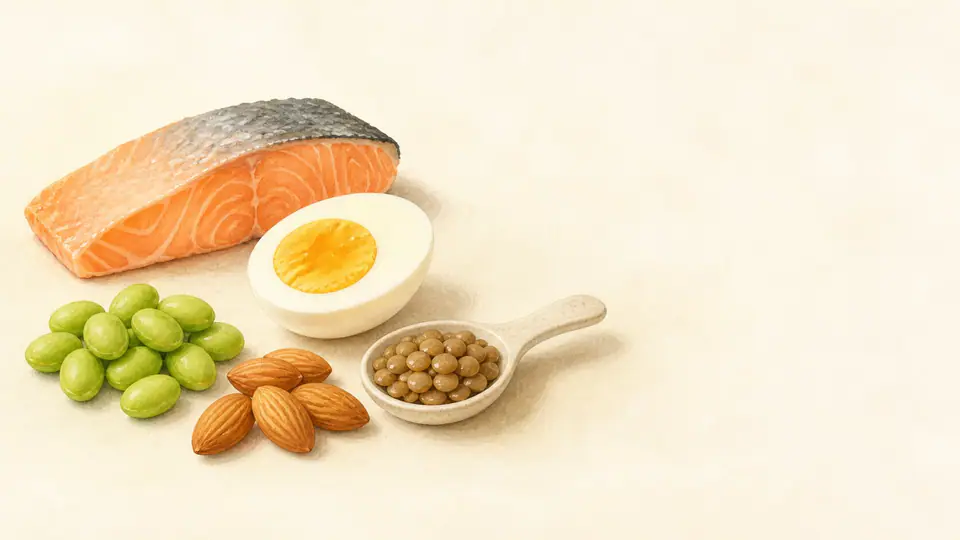
Isoleucine in food forms proteins together with other amino acids. In contrast, isolated L-isoleucine powder is a form where only one component has been extracted. BCAA 2:1:1 is a mixture of three amino acids, and EAA is a product that gathers all essential amino acids. Complete protein sources such as eggs, dairy, soy, meat, or protein powders provide the full spectrum of essential amino acids along with other amino acids. These are not the same ingredients.
Dietary Requirements and Supplement Dosages are Different Standards
The WHO/FAO/UNU report suggests an average isoleucine requirement for adults of 20mg per 1kg of body weight per day. This figure is an estimated value of the total isoleucine needed in a normal diet. It does not refer to therapeutic or loading doses for exercise supplements.
In other words, this figure is merely a dietary guideline to prevent deficiency; it is not a guarantee that consuming more will increase muscle mass or endurance. It is unclear whether adding BCAA supplements provides additional benefits for muscle growth or recovery for those already eating sufficient high-quality protein. The NIH ODS also explains this point. The fact that BCAAs are metabolized in the muscle is a different matter from the claim that this directly leads to improved endurance or additional muscle growth.
Muscle Protein Synthesis Requires All Essential Amino Acids, Not Just Isoleucine
Isoleucine alone is not sufficient for muscle protein synthesis. All essential amino acids are required. Therefore, complete proteins or EAAs theoretically provide more direct materials for protein synthesis. Since BCAAs contain only three of them, they can only play a partial role between the 'start signal' and the 'actual materials' of protein synthesis.
While there are studies linking isoleucine to metabolic signals, it is difficult to conclude that this leads to actual exercise results. This is where the gap lies between observed possibilities and proven efficacy.
Blood Sugar: Correlation is Not Causation
A correlation has been observed between blood BCAA levels and insulin resistance. However, this alone is not enough to conclude that isoleucine supplements cause or treat diabetes. High blood BCAA levels could be a result of metabolic dysfunction, the cause of it, or there could be other intervening factors between the two.
People taking diabetes medication or those with significant blood sugar fluctuations should not add isoleucine for the purpose of blood sugar control. If there are changes in intake, it is necessary to inform medical staff along with the measured values. It is dangerous to view supplements as a supporting means or a substitute for medication.
Combining Supplements and Individual Circumstances: When Should You Be Cautious?
Individuals with issues breaking down BCAAs, such as those with maple syrup urine disease, must not use BCAA products containing isoleucine arbitrarily. Since this is a hereditary disorder where BCAAs are not properly metabolized, it is critical to stay within the dietary and amino acid management range set by the medical team.
Because data is insufficient for those with liver or kidney disease, individuals who are pregnant or breastfeeding, or when providing high-dose isolated supplementation to children, you must first consult with your medical team. If nausea, abdominal discomfort, or headaches occur, discontinue use and check if the total amount has become unnecessarily high due to overlapping protein, EAA, and BCAA products.
What then should be examined? First, you must ask whether the protein and calories in the daily diet are sufficient, and why a specific choice is being made among isolated isoleucine, BCAA, EAA, or protein. You should also check the actual grams of isoleucine based on the 2:1:1 ratio on the label and the total BCAA amount per serving. Additionally, check for BCAA metabolic disorders such as maple syrup urine disease, use of diabetes medication, liver or kidney disease, or whether levodopa is being taken.
Differences from Similar Ingredients: Isoleucine, BCAA, EAA, and Complete Protein
Isoleucine in food proteins and isolated L-isoleucine have different forms. It is difficult to separate research results between isoleucine alone and a 2:1:1 BCAA mixture. BCAAs, EAAs, and complete proteins differ in the range of amino acids they contain. The required amount for diet and the dosage for exercise supplements serve different purposes.
This distinction is not mere taxonomy. The quality of evidence and safety you can expect vary depending on which product you choose. The key is not to apply BCAA research results to the efficacy of isoleucine alone.
Realistic criteria to check today
Rather than the 2:1:1 ratio, you should first look at the total protein in the diet, the actual grams of isoleucine, desired exercise results, and the presence of metabolic diseases. If you are consuming sufficient protein, the benefit of adding BCAAs is uncertain. Data on the long-term supplementation safety of isolated isoleucine is also insufficient.
Isoleucine is an important essential amino acid that makes up protein. However, being important does not mean that taking more, taking it separately, or taking it for a long time results in greater effects. Filling your needs through diet and choosing supplements based on individual circumstances and consultation with medical staff is a balanced approach to this ingredient.
References
- WHO/FAO/UNU: Protein and amino acid requirements in human nutrition.
- NIH ODS: Exercise and athletic performance supplements.
- PubChem: L-Isoleucine.
- VKM risk assessment of L-isoleucine and L-valine in food supplements.
- BCAA supplementation in athletes: systematic review.
- Branched-chain amino acids and insulin resistance: Mendelian randomization.
This text explains the origin of the raw materials, the scope of research, and precautions before consumption. As this cannot replace individual diagnosis or treatment, please consult a medical professional if you are taking medication or if symptoms persist. If sudden and severe symptoms such as difficulty breathing or decreased consciousness occur after consumption, seek help from 119 or the emergency room.

Medical Staff Review
Director Choi Yeon-seung
Chief Director of Baekrokdam Korean Medicine ClinicIsoleucine Dictionary Entry, reviewed the safety of expressions and the scope of verification before administration.
Review scope: Ingredient origin, human studies, concomitant medications, safety of intake · Last reviewed 2026-08-17
- Graduated from Kyung Hee University College of Korean Medicine
- Providing Korean medicine treatment since 2010
- Consultations for Gongjindan, Gyeongokgo, Nokyong (Deer Antler) restorative medicine, and customized restorative herbal medicine