Baekrokdam Wellness Dictionary · Safety and Quality

Ingredient Origin

We examine the efficacy, dosage, side effects, and precautions of ingredient origins. This information refers to the region where ingredients were produced or harvested; the name of the origin alone cannot determine the authenticity, content, overall prescription quality, or effect of the ingredients. If the origin has changed, check whether the ingredient specifications, content, and inspection/storage standards have also changed. Safety or efficacy is not guaranteed or excluded based solely on a specific region's name; judgments are made based on actual disclosed data and the current purpose of administration. Keep a record of the date of inquiry and photos of the verified labels. For re-prescribed medicine with changed ingredients, compare them side-by-side with previous labels.

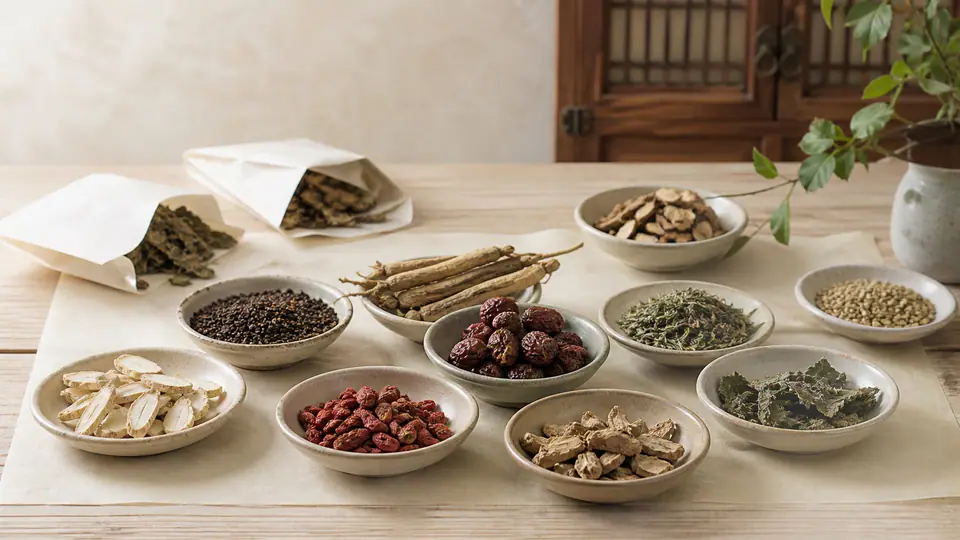
Representative image of Ingredient Origin

Criteria to check first

Distinguish between these three regarding the origin of ingredients

  • Do not equate origin with quality
  • Verify ingredient specifications, testing, and content together
  • Prioritize the basis of the labeling

What is the origin of the ingredients?

The origin of ingredients refers to the region where the medicinal herbs or auxiliary ingredients were produced or harvested. While the origin is one of the items to verify, the name of a region alone cannot be used to determine the authenticity or content of the ingredients, the storage and processing conditions, or the overall quality of the prescription.

What should this be compared with?

Raw Material and Content Labeling, actual specifications and testing information, Preparation methodshould be verified under the same conditions. Do not estimate undisclosed information based on price or images.

How should I ask about the country of origin?

Do not stop at asking 'Which country is it from?'; ask specifically which ingredient's origin you are inquiring about, and distinguish whether the label refers to the place of production or the place of processing and packaging. Since the origin may vary for each medicinal herb even within the same prescription, do not assume the origin of one representative ingredient applies to the entire composition.

If the origin has changed, verify whether the ingredient specifications, content, and testing/storage standards have also changed. Do not guarantee or rule out safety or efficacy based solely on a specific region's name; instead, make judgments based on actual disclosed data and the current purpose of administration. Keep a record of the date of inquiry and photos of the verified labels. For re-prescribed medicine with changed ingredients, compare them side-by-side with the previous labels.

Choi Yeon-seung, Chief Director of Baekrokdam Korean Medicine Clinic

Medical Staff Review

Director Choi Yeon-seung

Chief Director of Baekrokdam Korean Medicine Clinic

Ingredient Origin Dictionary Entry, reviewed the safety of expressions and the scope of verification before administration.

Review scope: boundaries of product/prescription names, concepts of formulation/administration/storage, safe patient guidance phrases · Last reviewed 2026-08-25

  • Graduated from Kyung Hee University College of Korean Medicine
  • Providing Korean medicine treatment since 2010
  • Consultations for Gongjindan, Gyeongokgo, Nokyong (Deer Antler) restorative medicine, and customized restorative herbal medicine

View all of the Wellness Dictionary →

Summary and review information for this page

Reviewing Medical Staff

Choi Yeon-seung, Doctor of Korean MedicineChief Director · Editor of Korean Medicine Atlas · BRC Researcher

Page Summary

Origin of Ingredients: The origin of ingredients refers to the region where the medicinal herbs or auxiliary ingredients were produced or harvested. While the origin is one of the items to verify, the name of a region alone cannot be used to determine the authenticity or content of the ingredients, the storage and processing conditions, or the overall quality of the prescription. If the origin has changed, verify whether the ingredient specifications, content, and testing/storage standards have also changed. Do not guarantee or rule out safety or efficacy based solely on a specific region's name; instead, make judgments based on actual disclosed data and the current purpose of administration. Keep a record of the date of inquiry and photos of the verified labels. For re-prescribed medicine with changed ingredients, compare them side-by-side with the previous labels.

Key Points

  • The origin of ingredients refers to the region where the medicinal herbs or auxiliary ingredients were produced or harvested. While the origin is one of the items to verify, the name of a region alone cannot be used to determine the authenticity or content of the ingredients, the storage and processing conditions, or the overall quality of the prescription.
  • Verify the ingredient and content labeling, actual specifications and testing information, and the dispensing method under the same conditions. Do not estimate undisclosed information based on price or images.
  • Do not stop at asking 'Which country is it from?'; ask specifically which ingredient's origin you are inquiring about, and distinguish whether the label refers to the place of production or the place of processing and packaging. Since the origin may vary for each medicinal herb even within the same prescription, do not assume the origin of one representative ingredient applies to the entire composition.
Apply for Wellness Treatment Inquire

Wellness Dictionary

View detailed explanation