Glutamine: The Amino Acid Moving Between Muscles and the Gut
Will taking L-glutamine powder for exercise recovery or so-called 'leaky gut' help muscles and intestinal mucosa recover faster? In short, for healthy adults eating a protein-rich diet, the effects of additional supplementation have not been confirmed by current evidence. While it is true that intestinal and immune cells use glutamine as fuel, this physiological function does not automatically translate to the efficacy of powder supplements.
Glutamine is one of the amino acids that make up protein. It is involved in nitrogen transport and energy metabolism; because a healthy body can produce enough on its own, it is not classified as an essential amino acid. In situations where the required amount exceeds synthesis, such as in severe illness or injury, it may be treated as conditionally essential. However, dietary protein, general L-glutamine powder, and enteral or intravenous nutrition used in hospitals for specific indications are not the same interventions. Even with the same name, they differ in dosage, absorption, target audience, and purpose.
Where Did the Question Begin?
Two main expectations surround glutamine: muscle recovery and leaky gut. People seeking to improve muscle soreness, muscle mass, or athletic performance after exercise, and those wanting to reduce abdominal pain, diarrhea, inflammatory bowel disease, or intestinal permeability, look for the same ingredient. The fact that glutamine is abundant in both muscles and the gut is easily misinterpreted to mean that taking more in powder form will recover those areas.
So, where do these expectations come from?
Identity of the Ingredient and Its Location in the Body
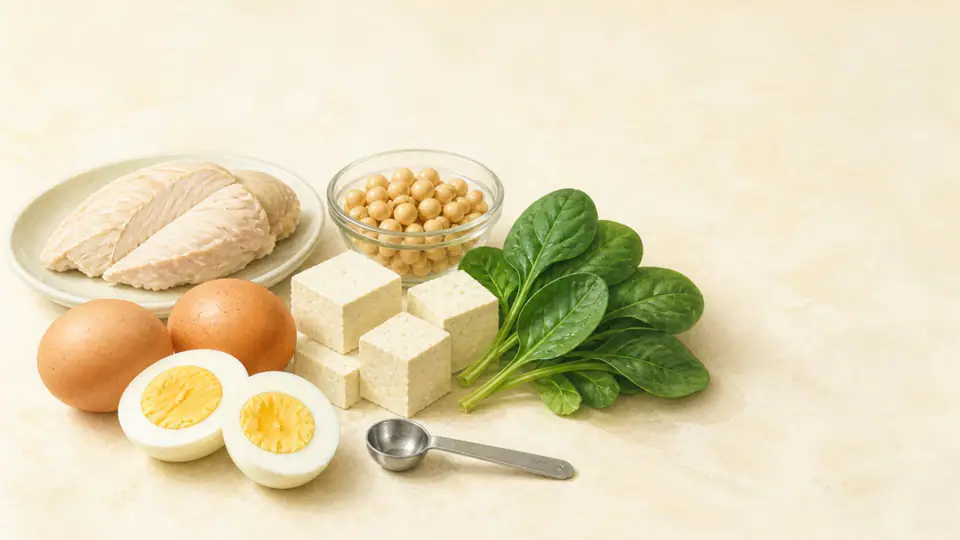
Glutamine is an amino acid abundant in muscles and blood, and is used as an energy source by intestinal and immune cells. According to the NIH ODS, adults consume approximately 3–6 g per day from protein foods, and the body also produces glutamine, meeting the required amount under normal conditions. In other words, healthy people do not lack glutamine even without special external supplementation. This is the first gap between the expectations of supplements and reality.
Reasons for the Expectations
It is a physiological fact that glutamine serves as fuel for intestinal and immune cells. However, this function is not the same as clinical evidence that taking more improves bowel diseases or exercise recovery in healthy people. Just because something plays an important role in the body does not mean that artificially increasing that role will produce the desired result. In particular, the NIH ODS has stated that claims regarding the improvement of athletic ability, muscle performance, or body composition are not supported by current research.
What the Evidence Shows Regarding Exercise Recovery
Even in a meta-analysis that reviewed 47 studies on athletes and combined 25 of them, results for body composition, aerobic capacity, and immune cells were inconsistent, and no definitive benefit for athletic performance was confirmed. While the large number of studies is noteworthy, the inconsistency of the results means that effectiveness cannot be concluded. Furthermore, recovery from muscle soreness and strength, muscle mass, and athletic performance are different surrogate markers. A reduction in pain does not necessarily mean that muscles grew or performance improved.
The Gap Between Leaky Gut and Abdominal Pain
A 2024 meta-analysis of 10 adult clinical trials involving 352 people on intestinal permeability found no overall significant improvement. Signals appearing in high-dose subgroups require further verification due to the small number of studies and varying subjects and testing methods. Research where permeability markers changed under specific stress conditions, such as acute administration before running in hot environments, cannot be expanded to the treatment of chronic abdominal pain or so-called leaky gut syndrome. A change in a marker does not mean that abdominal pain, diarrhea, or disease remission has improved.
A Cochrane review on active Crohn's disease also failed to confirm benefits in inducing remission in two small trials, concluding that there is insufficient evidence to determine effects or harms. In other words, glutamine has not been proven as a treatment for bowel disease.
Why Different Product Forms Must Be Distinguished
L-glutamine single powder, glutamine peptides, protein powder, and enteral or intravenous nutrition used in hospitals for specific indications differ in dosage, absorption, and target audience. Even with the same ingredient, it becomes a different intervention when the form and context change. A healthy athlete and a patient in a severe catabolic state are not comparable. Medical nutrition involves adjusting the required amount for a specific condition, which is different from simply consuming large amounts of general powder.
| Category | Characteristics |
|---|---|
| Dietary protein | Glutamine naturally consumed through a daily diet |
| L-glutamine powder | Single amino acid supplement, used for exercise and gut health purposes |
| Glutamine peptide | Bound form; absorption and usage differ from single powder |
| Medical nutrition | Enteral or intravenous administration; determined by medical staff for specific diseases and conditions |
Combined Intake and Individual Circumstances
When considering glutamine, you must first assess your own situation. There is a difference between being a healthy athlete eating sufficient dietary protein and being in a situation requiring medical nutrition, such as surgery, burns, infection, or cancer treatment. You must also distinguish whether the goal is to improve muscle mass, muscle soreness, or exercise performance, or to address abdominal pain, diarrhea, inflammatory bowel disease, or permeability tests. Additionally, you should check if you have liver or kidney disease, are pregnant or breastfeeding, or are using chemotherapy alongside other amino acid or protein products.
While generally well-tolerated in short-term adult studies, gastrointestinal symptoms such as nausea, bloating, belching, abdominal pain, and gas may occur. An upper intake level has not been established. The fact that high doses were tolerated in short-term trials does not mean that healthy individuals can continue taking them for several months or years.
Safety Signals: When to seek medical evaluation
Those with liver or kidney disease, severe metabolic abnormalities, pregnancy, breastfeeding, or pediatric patients should not use high-dose powder arbitrarily and should determine the required amount with medical staff. Since there are separate research and medical protocols for glutamine during chemotherapy or radiation therapy to manage side effects, you should not self-administer based on simple guesses about tumor metabolism or use it as a substitute for treatment. Persistent bloody stools, weight loss, dehydration, severe abdominal pain, fever, or changes in consciousness should be evaluated by a professional rather than monitored with intestinal supplements.
The Gap Between Human Evidence and Expectations
Although there are many studies on glutamine, its effects on exercise performance in healthy individuals or as a treatment for so-called 'leaky gut' are inconsistent or unconfirmed. A high number of studies does not mean the effect has been proven. A clear distinction must be made between surrogate markers and actual symptoms, athletic performance, or disease outcomes. A change in intestinal permeability markers does not necessarily mean that abdominal pain or diarrhea has improved, nor does a reduction in muscle soreness mean that muscle strength or mass has increased.
Final Decision Criteria
Rather than focusing on terms like 'fuel for intestinal cells' or 'conditionally essential,' first verify your current nutritional and disease status. It is necessary to consider the difference between single powder and medical nutrition, the gap between surrogate markers for permeability/muscle soreness and actual symptoms/performance/disease outcomes, and your liver, kidney, and treatment status. For healthy adults, dietary protein is likely sufficient; for those with specific diseases or in treatment situations, determining the required amount with medical staff is the priority.
References
- NIH ODS: Exercise and Athletic Performance fact sheet.
- NIH ODS: Immune Function fact sheet, glutamine section.
- Glutamine in athletic performance: systematic review and meta-analysis.
- Glutamine and gut permeability: systematic review and meta-analysis.
- Cochrane: Glutamine for treatment of active Crohn disease.
This text explains the origin of the raw materials, the scope of research, and precautions before consumption. As this cannot replace individual diagnosis or treatment, please consult a medical professional if you are taking medication or if symptoms persist. If sudden and severe symptoms such as difficulty breathing or decreased consciousness occur after consumption, seek help from 119 or the emergency room.

Medical Staff Review
Director Choi Yeon-seung
Chief Director of Baekrokdam Korean Medicine ClinicGlutamine Glossary, reviewed the safety of expressions and the scope of verification before administration.
Review scope: Ingredient origin, human studies, concomitant medications, safety of intake · Last reviewed 2026-08-17
- Graduated from Kyung Hee University College of Korean Medicine
- Providing Korean medicine treatment since 2010
- Consultations for Gongjindan, Gyeongokgo, Nokyong (Deer Antler) restorative medicine, and customized restorative herbal medicine