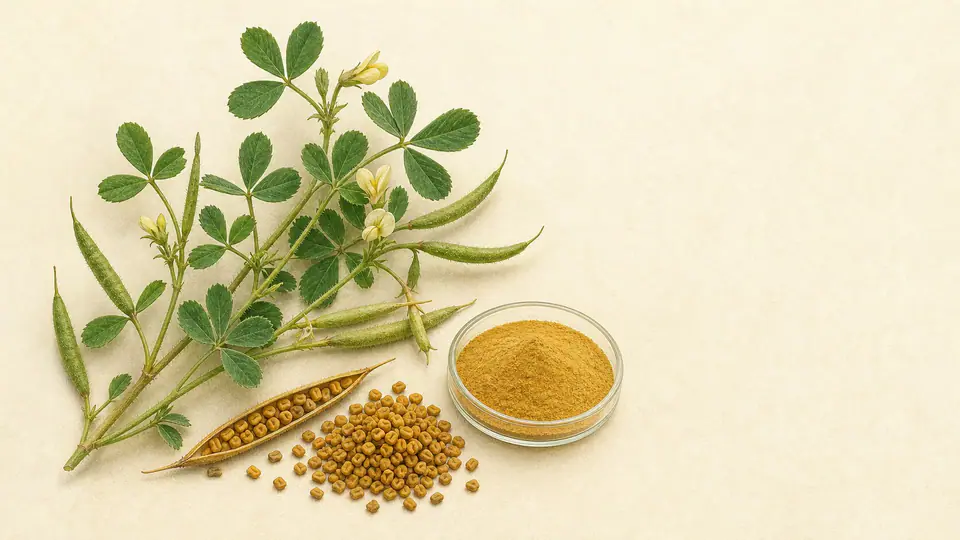
The Distance Between a Pinch of Spice and a Supplement Pill
Can fenugreek, which is said to lower blood sugar and increase breast milk volume, be taken with diabetes medication or used during pregnancy and breastfeeding? In short, the safety of small amounts used in food differs from that of concentrated preparations; it is advisable not to add them during pregnancy, breastfeeding, or while taking blood sugar medications without consulting a medical professional. This is where the discussion begins.
Fenugreek is a legume where the seeds of Trigonella foenum-graecum are used as spices and food, and are also consumed as powders, teas, extracts, or capsules. It is also known as fenugreek. Even though it is the same plant, the exposure levels and safety of seeds used in food differ from concentrated preparations intended for blood sugar or breast milk volume. Understanding this difference is the key to understanding this ingredient.
Why is this question asked repeatedly?
Fenugreek is familiar as a spice, yet people are drawn to it for specific health goals like blood sugar and breast milk volume. As seeds with a maple syrup-like aroma transition from spices to blood sugar or lactation supplements, there are points where culinary amounts diverge from concentrated amounts, blood sugar levels diverge from diabetes complications, a few lactation studies diverge from actual milk volume, and food amounts during pregnancy diverge from medicinal doses. At this crossroads, consumers naturally ask how much, in what form, and with whom they should take it, even if it is the same plant. So, what should we look at? First, the identity of the raw material and the difference in formulation.
What is Fenugreek: Seeds of a Legume
Fenugreek seeds are used as a culinary spice and are also concentrated into powders, teas, and extracts. Even for the same plant, the context of intake varies greatly. When used as a spice, it is scattered throughout a dish, whereas teas, powders, or capsules are consumed in larger, intentional amounts in a prescribed manner. This simple difference is why safety evaluations must be conducted differently.
What are the realistic expectations for blood sugar?
The NCCIH states that while there is a possibility of lowering blood sugar in type 2 diabetes, there is insufficient high-quality evidence to confirm its utility because the quality of many studies is low. A meta-analysis of 894 people across 14 trials showed signals of reduced HbA1c, but results for fasting and postprandial blood glucose were not significant, and there were major issues with study heterogeneity and quality. In other words, seeing a signal in some figures is different from having a confirmed effect.
Improvement in a figure like HbA1c does not mean that diabetes medication has been replaced or that complications have been prevented. Average numerical changes in studies where fenugreek was added to diabetes medication are not evidence that an individual can reduce or stop their medication. One must remember the distance between numerical values and clinical treatment outcomes.
Breast Milk Volume: Between Perception and Measurement
Although there is a long history of use to aid lactation, research on breast milk volume is limited and results are mixed. If a product is a blended tea, it is difficult to isolate the effect of fenugreek alone. The breast milk volume perceived by the mother, the measured milk volume, and infant growth are not the same thing. Lactation issues require an evaluation of the cause of postpartum lactation problems, correction of breastfeeding latch, and verification of infant weight; supplements cannot replace these.
Culinary Amounts vs. Concentrated Amounts: Is the Safety the Same?
The safety of amounts commonly found in food cannot be viewed as the same as the safety of large amounts taken for the purpose of blood sugar or lactation. A pinch of spice is diluted throughout a meal, whereas teas, powders, and standardized extracts are delivered at intended concentrations. This difference is important when evaluating the risk of gastrointestinal symptoms or hypoglycemia.
When Taken with Diabetes Medications or Anticoagulants
Using fenugreek with blood sugar medications may cause gastrointestinal symptoms such as diarrhea and nausea, and large amounts can dangerously lower blood sugar. As a rule, those taking diabetes medication should not add it without measurement and consultation with their prescriber. If you are taking blood sugar-lowering agents such as insulin or sulfonylureas, or anticoagulants, you should first check if you have ever experienced hypoglycemia or bleeding.
In case of severe hypoglycemia such as cold sweats, tremors, or confusion, or in case of difficulty breathing, facial swelling, or loss of consciousness, stop intake immediately and seek help from 119 or the emergency room.
Pregnancy, Breastfeeding, and Allergies: Separate Considerations
During pregnancy, using amounts that exceed what is typically found in food is unsafe and should be avoided due to the risk of congenital abnormalities. Because there is insufficient safety data for mothers and infants regarding use exceeding food amounts during breastfeeding, breastfeeding concerns should first be evaluated by medical staff or breastfeeding specialists.
Fenugreek can cause severe allergic reactions, and the possibility of cross-reactivity should be considered if you have allergies to legumes. Checks should include whether there are allergies to soy, peanuts, or chickpeas, as well as any issues with the infant's feeding volume or weight during breastfeeding.
Things That Seem Similar but Are Different
The following criteria are used for comparison: the difference between fenugreek seeds in food versus teas, powders, and concentrated extracts; the difference between fasting blood glucose/HbA1c and diabetes complications/drug replacement; the difference between a mother's perceived milk volume and measured milk volume/infant growth; and the difference between food amounts and medicinal doses during pregnancy, as well as safety for the mother and infant during breastfeeding. Distinguishing between these four pairs helps reduce confusion surrounding fenugreek.
Criteria to Check Today
If considering fenugreek, first check the formulation, the actual daily dose, and other ingredients. Exposure levels vary depending on whether it is a seed spice, tea, powder, standardized extract, or a complex breastfeeding tea. It is also necessary to check if you are taking diabetes medication or anticoagulants, if you are pregnant or breastfeeding, or if you have legume allergies.
In other words, rather than relying on the familiarity of it being a spice, the realistic criteria for choosing this ingredient are to verify the formulation, concentration, pregnancy/breastfeeding stage, and the risk of diabetes medication, allergies, or hypoglycemia, and to first examine the gap between numerical signals and treatment outcomes.
References
- NCCIH: Fenugreek usefulness and safety.
- Fenugreek and hyperglycemia: systematic review and meta-analysis.
- Fenugreek as a galactagogue: network meta-analysis.
This text explains the origin of the raw materials, the scope of research, and precautions before consumption. As this cannot replace individual diagnosis or treatment, please consult a medical professional if you are taking medication or if symptoms persist. If sudden and severe symptoms such as difficulty breathing or decreased consciousness occur after consumption, seek help from 119 or the emergency room.

Medical Staff Review
Director Choi Yeon-seung
Chief Director of Baekrokdam Korean Medicine ClinicFenugreek Dictionary Entry, reviewed the safety of expressions and the scope of verification before administration.
Review scope: Ingredient origin, human studies, concomitant medications, safety of intake · Last reviewed 2026-08-17
- Graduated from Kyung Hee University College of Korean Medicine
- Providing Korean medicine treatment since 2010
- Consultations for Gongjindan, Gyeongokgo, Nokyong (Deer Antler) restorative medicine, and customized restorative herbal medicine