My knees hurt; would it be a good idea to try turmeric or curcumin?
My knees hurt; would it be a good idea to try turmeric or curcumin? In short, while it is a possibility worth trying, there is not enough evidence at this stage to firmly recommend it. Although several studies have reported early signals regarding pain and function in knee osteoarthritis, it remains unclear which formulation, dose, and frequency of intake should be used. More importantly, turmeric, curcumin, curcuminoids, and high-absorption products are not the same thing. A single name can obscure both the level of exposure and safety.
Then, what should be considered first when choosing these ingredients? It is necessary to examine the name, formulation, individual circumstances, and the limitations of the evidence in order.
Why the names are divided into three categories
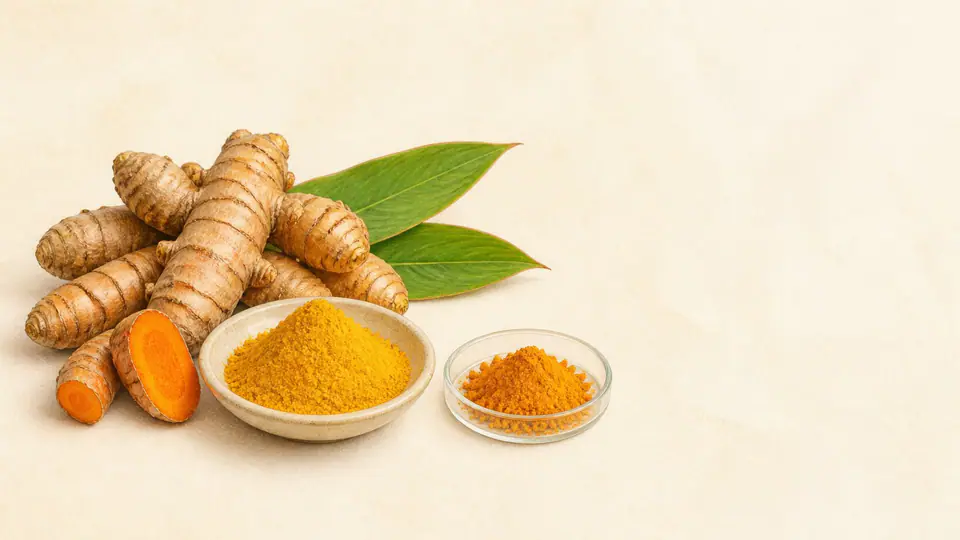
Turmeric refers to the rhizome of the turmeric plant. Curcumin is one of the primary components within it. Curcuminoids refer to a group of related components, including curcumin. Yellow spices used in the kitchen, general extracts, and capsules with enhanced absorption are all sold mixed under the name 'turmeric/curcumin,' but their exposure levels and safety cannot be viewed as the same. The NCCIH also emphasizes this distinction. In other words, just because the names are the same does not mean the amount and form entering the body are the same.
While 'turmeric' easily brings food to mind, supplement labels may contain extracts that are far more concentrated.
Why it caught the eye as a joint supplement
A review of randomized trials targeting knee osteoarthritis showed signals of short-term symptom improvement. This means that pain or function scores moved positively in some studies. However, the formulations used varied by study, and because they involved short durations, small scales, and different evaluation methods, the optimal formulation, dose, and frequency of intake have not been identified. High heterogeneity means that one cannot conclude that 'the same results are repeated.' Therefore, the NCCIH summarizes that there is insufficient evidence to definitively conclude which health purposes turmeric/curcumin are beneficial for.
In other words, just because early results are interesting does not mean that everyone with knee pain should take it in the same way.
What changes depending on the product form
Commercial products are largely divided into three categories. First, turmeric powder or spice forms. Second, general extracts with increased curcumin content. Third, formulations that increase bioavailability by adding other plant ingredients such as piperine. The claim that it is 'well-absorbed' means it is designed to increase the amount the body absorbs. However, when exposure changes, safety must be verified separately from efficacy. This is why you must look at what form and technology were used to create the product, even for the same raw material.
| Category | Characteristics | Points to Check |
|---|---|---|
| Turmeric spice/powder | Food-level exposure | Whether the product is raw material or extract |
| Curcumin/curcuminoid extract | High-content form | Actual curcumin content and formulation |
| Enhanced absorption formulation | Increased bioavailability by adding piperine, etc. | Types of absorption-enhancing ingredients and safety signals |
How the Competition for Absorption Rates Affects Safety
Standard oral formulations that do not specifically enhance absorption rates appear to be generally safe for short-term use at recommended doses. However, digestive discomfort such as nausea, reflux, abdominal pain, diarrhea, or constipation may occur. In contrast, cases of liver injury associated with some curcumin products designed to increase bioavailability have been reported. Higher absorption does not necessarily mean it is better. Questions regarding expected efficacy must be asked alongside questions verifying liver safety.
Does this mean products with enhanced absorption should be avoided? It cannot be concluded so definitively. Rather, it means one must recognize that different levels of exposure exist under the same name and monitor liver-related adverse reactions more closely.
When taking with medications or supplements
If you are taking prescription medications, it is necessary to consult a healthcare provider or pharmacist before starting turmeric or curcumin products. Because the composition of general turmeric powder, curcumin extracts, and enhanced-absorption formulations can differ, both your current medications and the specific product must be reviewed together. Extra caution is required if you have existing liver disease or a history of jaundice. Turmeric supplements may not be safe during pregnancy, and there is a lack of safety information for breastfeeding compared to dietary intake.
Individual Circumstances and Adverse Reaction Signals
If fatigue, nausea, loss of appetite, dark urine, or jaundice occur during use, you must stop immediately and notify a healthcare provider. These symptoms can be signals suggesting liver injury. These can be dangerous if dismissed as lightly as digestive discomfort. It is especially important to recognize these signals more quickly when using enhanced-absorption formulations.
What are the Realistic Expectations for Cancer or Other Diseases?
There is insufficient evidence to recommend curcumin as a cancer treatment product. Only short-term, small-scale studies evaluating a mix of various formulations have been conducted. Regarding health purposes other than knee pain, the NCCIH states that it is difficult to reach a definitive conclusion. Observed possibilities and proven effects are different. The fact that there are many studies or that initial results are positive does not mean it can be concluded that they treat or change the course of a specific disease.
Similar names, different selection criteria
Turmeric spices, curcumin/curcuminoid extracts, standard formulations, enhanced-absorption formulations, short-term knee pain indicators, and long-term disease progression are all different variables. One product does not guarantee the results of another. For example, a signal of short-term pain improvement from an enhanced-absorption formulation cannot be assumed to be reproduced with the same amount and duration in turmeric powder. Conversely, a safe experience when consuming turmeric as food may not apply to enhanced-absorption capsules.
Criteria to Check Today
Rather than the name of the yellow raw material, check the actual formulation, whether absorption is enhanced, the symptoms you intend to resolve, short-term evidence, and liver safety signals together. First, check the diagnosis and existing treatment for your knee pain, whether the product is turmeric powder or a curcumin extract, whether it contains absorption enhancers like piperine, your pregnancy/breastfeeding status, prescription medication use, and any history of liver disease or jaundice. Above all, if adverse reactions occur during use, prioritize stopping the product and notifying a healthcare provider.
References
- NCCIH Turmeric.
- Therapeutic effects of turmeric or curcumin extract for knee osteoarthritis: systematic review.
- Acute liver injury following turmeric use: phytovigilance analysis and systematic review.
This text explains the origin of the raw materials, the scope of research, and precautions before consumption. As this cannot replace individual diagnosis or treatment, please consult a medical professional if you are taking medication or if symptoms persist. If sudden and severe symptoms such as difficulty breathing or decreased consciousness occur after consumption, seek help from 119 or the emergency room.

Medical Staff Review
Director Choi Yeon-seung
Chief Director of Baekrokdam Korean Medicine ClinicCurcumin Glossary, reviewed the safety of expressions and the scope of verification before administration.
Review scope: Ingredient origin, human subject research, concomitant medications, intake safety · Last reviewed 2026-08-16
- Graduated from Kyung Hee University College of Korean Medicine
- Providing Korean medicine treatment since 2010
- Consultations for Gongjindan, Gyeongokgo, Nokyong (Deer Antler) restorative medicine, and customized restorative herbal medicine