Can a Single Serving of Beans Replace Diabetes Medication?
I am managing my blood glucose; would eating chickpeas instead of rice be helpful? In short, replacing part of your rice or bread with boiled chickpeas tended to reduce the area under the postprandial blood glucose curve. However, it did not significantly lower the peak blood glucose or the insulin response. This is simply a result of comparing a single meal and does not mean it can replace diabetes medication or prevent long-term complications.
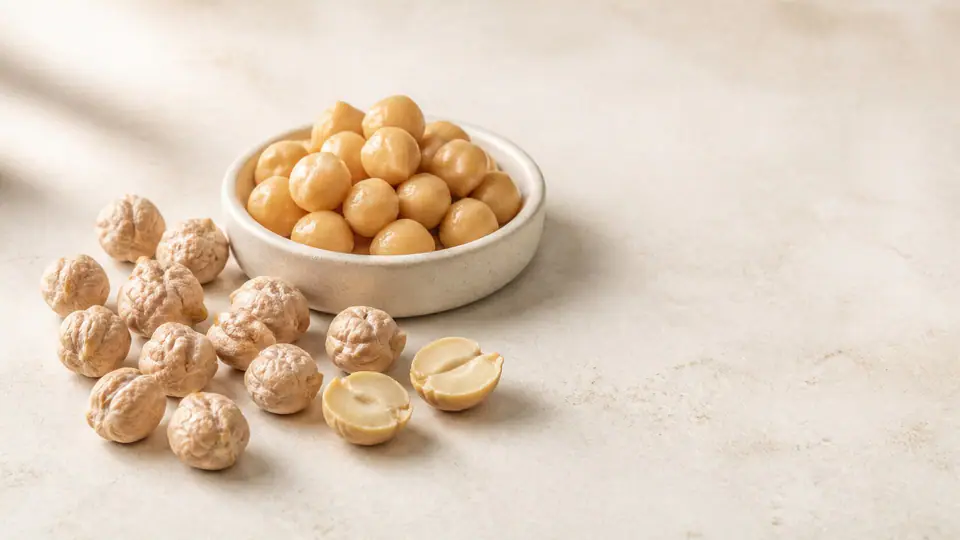
Chickpeas are the seeds Cicer arietinumof the legume family. According to the Royal Botanic Gardens, Kew records, they are classified as edible legume crops, and it is explained that the seeds are eaten cooked or processed into powder. Recently, they are encountered in various forms such as hummus, protein concentrates, canned goods, and powders. It is important to first distinguish that even for the same bean, the form and composition differ.
Where the Question Begins: Instead of Rice, or Rather, With Rice
Many people think of chickpeas as a 'replacement for rice.' However, in actual studies, the area under the postprandial blood glucose curve for chickpea meals was lower compared to carbohydrate control diets. A 2025 meta-analysis gathered 28 acute intake studies and 40 comparisons, and found that peak blood glucose and insulin response did not change significantly. In other words, while the overall area of the curve decreased, the peak itself did not.
The important point here is the condition of a 'single meal.' A positive postprandial blood glucose response from one meal cannot be automatically linked to improvements in long-term HbA1c or complications. The research did not draw such a conclusion.
Whole Food Form: Whole Cooked Beans
Kew classifies it Cicer arietinumdescribes them as edible seed crops of the legume family. The basic practice for dried chickpeas is to soak them properly and cook them thoroughly. This cooking process also serves to reduce some anti-nutritional factors. Whole cooked beans retain moisture and keep their dietary fiber and oligosaccharides intact.
Legume oligosaccharides can produce gas in the intestines and cause abdominal bloating. For those with sensitive intestines, it is practical to check the reaction starting with small amounts. Rather than adding large quantities from the start, it is better to monitor intestinal reactions alongside dietary changes.
Processed Form: Hummus, Powder, Protein Concentrates
Research on raw chickpeas cannot be applied directly to hummus, powder, or isolated protein products. This is because the composition and the amount per 1 serving vary, even under the same name.
| Form | Characteristics | Points to Check |
|---|---|---|
| Boiled Whole Beans | Moisture, fiber, and oligosaccharides preserved | Soaking, cooking, abdominal reaction |
| Canned | Convenient, but check sodium and liquid ingredients | 1 serving size, sodium |
| Hummus | Processed food containing other ingredients | Additional ingredients, sodium |
| Powder | Changes in moisture and proportion of certain components | Type of powder, accompanying ingredients |
| Protein concentrate | Processed raw material with concentrated protein | composition, 1 serving size, additional ingredients |
Canned goods, hummus, and protein products have different nutritional profiles than raw ingredients. In particular, you must check the sodium, additional ingredients, and the 1 serving size.
Reason for expectations: The shadow of legumes as a whole
A 2023 literature review on legumes as a whole showed that some lipid and blood glucose indicators improved in intervention trials. However, there was high heterogeneity, and the overall evidence regarding the occurrence of cardiovascular disease and type 2 diabetes was inconclusive.
It is necessary to distinguish between a study on chickpeas alone and a study on legumes as a whole. Results for chickpeas cannot be generalized to other legumes, nor can the results of all legumes be applied directly to raw chickpeas. Therefore, is the study you are currently viewing testing chickpeas themselves, or is it grouping all legumes together?
When taking diabetes medication
If you are taking diabetes medication, it is safer not to arbitrarily interpret blood glucose levels or reduce your medication after making significant dietary changes. Incorporating chickpeas into your diet means changing your meal structure. It is clear that dietary changes can affect blood glucose levels.
It is dangerous to reduce medication based on the thought that 'it's a natural food, so it should be fine' without consulting a doctor or pharmacist. While blood glucose can be measured, you must not adjust medication dosages by interpreting those numbers on your own.
Allergies and cross-reactivity
If you have a chickpea allergy or have reacted to other legumes, it is advisable not to experiment arbitrarily. Clinical cross-reactivity among legumes varies by person, so you should verify this with a specialist based on your medical history.
Single-meal blood glucose vs. long-term disease: Not the same path
The blood glucose response after a single meal is not the same result as the long-term occurrence or treatment of diabetes. This distinction is a recurring caution in many food studies, not just those on chickpeas. A positive response from a single meal does not mean the disease is being prevented or treated.
Therefore, there is a gap when trying to apply the results of a single meal directly to your long-term health management.
Realistic criteria to check today
If you wish to include chickpeas in your diet, first check three things. First, whether they are boiled raw ingredients or canned goods, hummus, powder, or protein products. Second, whether you are replacing some rice or bread or adding them to your existing meals. Third, whether you have a legume allergy, abdominal bloating, or are taking diabetes medication.
Rather than the label of a 'superfood,' the criteria for choosing this ingredient should be checking the difference between cooked raw ingredients and processed products, what is being replaced, the distance between single-meal blood glucose and long-term disease outcomes, and allergies and intestinal reactions.
References
- Kew Plants of the World Online: Cicer arietinum.
- Chickpea and postprandial glucose: systematic review and meta-analysis.
- Legume consumption and cardiometabolic outcomes: systematic review.
- Health risks and benefits of chickpea consumption.
This text explains the origin of the raw materials, the scope of research, and precautions before consumption. As this cannot replace individual diagnosis or treatment, please consult a medical professional if you are taking medication or if symptoms persist. If sudden and severe symptoms such as difficulty breathing or decreased consciousness occur after consumption, seek help from 119 or the emergency room.

Medical Staff Review
Director Choi Yeon-seung
Chief Director of Baekrokdam Korean Medicine ClinicChickpea Dictionary Entry, reviewed the safety of expressions and the scope of verification before administration.
Review scope: Ingredient origin, human subject research, concomitant medications, intake safety · Last reviewed 2026-08-16
- Graduated from Kyung Hee University College of Korean Medicine
- Providing Korean medicine treatment since 2010
- Consultations for Gongjindan, Gyeongokgo, Nokyong (Deer Antler) restorative medicine, and customized restorative herbal medicine