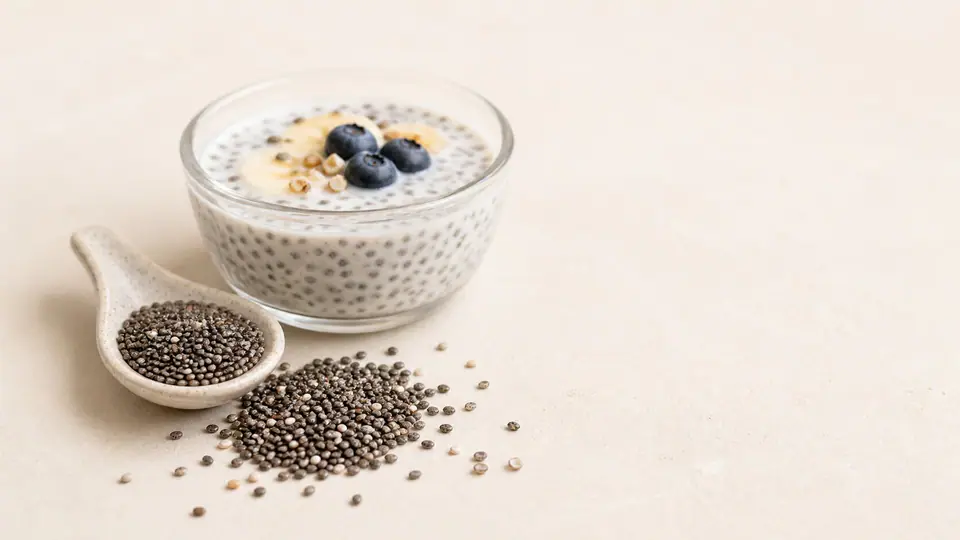
Seeds that turn into gel when meeting water: how far do the effects go?
Will eating chia seeds daily lead to weight loss or improve blood sugar and cholesterol? In short, current meta-analyses of human subjects have not shown significant effects on weight, body fat, waist circumference, fasting blood glucose, or HbA1c. While there were some signals of blood pressure reduction, it is difficult to be certain as the number of studies and data are limited.
Nevertheless, chia seeds frequently appear on health-conscious tables under the name 'small superseeds.' What distinctions are being blurred behind this name? It is necessary to first separate the identity of the seed, the product forms, and the results actually confirmed by human research.
The identity of a single seed: a small seed of the Lamiaceae family
Kew classifies chia as an annual plant of the Lamiaceae family called Salvia hispanica. The seeds of this plant, native to Mexico and Guatemala, are chia seeds. Whole seeds, soaked gel, ground seeds, defatted powder, and oil all come from the same raw material, but they cannot be viewed as the same food form because their water absorption, fiber, fat, and per-serving amounts differ. In other words, the results of eating whole seeds in one study cannot be applied directly to ground seed or oil products.
Expectations surrounding the gel-forming process
When chia seeds meet water, they increase in volume and become gel-like. This scene has become a symbol of satiety, dieting, and plant-based Omega-3. It is true that they are foods providing fiber and ALA (plant-based Omega-3). However, nutritional components do not automatically translate to weight loss or disease treatment. The fact that seeds absorb water and swell is a different question from whether weight decreases.
What the research reported
A 2025 meta-analysis of 8 trials reported signals of blood pressure reduction, but there were no significant effects on weight, BMI, body fat, waist circumference, fasting blood glucose, or HbA1c, and data were limited. Other 2024 meta-analyses showed inconsistencies in the magnitude and significance of blood pressure and some lipid results depending on the number of studies, subjects, and dosages. A 2018 GRADE review rated the evidence from 12 trials as low or very low, and all measured only surrogate markers. Therefore, the change in blood ALA levels from eating chia seeds is a separate issue from the reduction of cardiovascular events or effects similar to fish oil.
Different products by form: avoiding confusion under the same name
Whole seeds, soaked gel, ground seeds, oil, and defatted powder have different fiber and fat compositions, making it difficult to apply research from one form to another product. For example, oil has concentrated fat components, while defatted powder has fat removed, resulting in a different proportion of fiber. Whole seeds swell by absorbing water, and this process is faster for ground seeds. When choosing a product, you should first check the form and per-serving amount listed on the packaging. Understanding all products as having the same effect simply because of the name 'chia seed' clouds the selection process.
Precautions when taking with blood pressure or diabetes medications
If you start consuming large amounts of chia seeds while taking blood pressure or diabetes medication, it is important to monitor changes in your levels and not adjust your medication arbitrarily. Suddenly increasing fiber intake can cause abdominal bloating, gas, or changes in bowel movements, so you should increase the amount gradually with water. In other words, the habit of swallowing a spoonful of dry chia seeds is not the same as consuming a small amount that has been sufficiently soaked. If you have dysphagia or esophageal diseases, consult a medical professional even for the soaked form.
Allergies and emergency signals vary by individual
There are cases of IgE-mediated anaphylaxis and skin reactions after chia seed consumption. Potential cross-reactivity with sesame, peanut, or hazelnut allergies must be evaluated individually. If throat tightness, inability to swallow saliva, difficulty breathing, or generalized urticaria occur, seek emergency help immediately. The more a seed appears to be a health food, the easier it is to overlook these rare reactions.
ALA and EPA/DHA are not the same Omega-3
The fact that chia seeds contain the plant-based Omega-3 ALA cannot be equated with the clinical effects of EPA and DHA. EPA and DHA from fish oil and ALA from chia follow different pathways in the body. Expecting the effects of fish oil simply because chia contains ALA is a judgment deceived by the similarity in names.
Criteria to Check Today
When choosing chia seeds, look at the actual form, the amount per serving, and sufficient hydration rather than the name 'super seed'. You must also check the low or limited certainty of research, the null results regarding weight and blood sugar, concurrent use with blood pressure or diabetes medications, and potential allergies or swallowing issues. Just as small seeds swell when they meet water, expectations can easily grow. The final criterion is to reduce those expectations and look at the actual nature of the raw material.
References
- Kew Plants of the World Online: Salvia hispanica.
- Chia, blood pressure, body composition and glycemic control: GRADE meta-analysis.
- Clinical evidence for chia supplementation: GRADE review.
- Chia cardiometabolic outcomes: systematic review.
- EFSA assessment of chia seed safety and allergenicity.
- Chia seed esophageal impaction case report.
This text explains the origin of the raw materials, the scope of research, and precautions before consumption. As this cannot replace individual diagnosis or treatment, please consult a medical professional if you are taking medication or if symptoms persist. If sudden and severe symptoms such as difficulty breathing or decreased consciousness occur after consumption, seek help from 119 or the emergency room.

Medical Staff Review
Director Choi Yeon-seung
Chief Director of Baekrokdam Korean Medicine ClinicChia Seed Dictionary Entry, reviewed the safety of expressions and the scope of verification before administration.
Review scope: Ingredient origin, human studies, concomitant medications, safety of intake · Last reviewed 2026-08-17
- Graduated from Kyung Hee University College of Korean Medicine
- Providing Korean medicine treatment since 2010
- Consultations for Gongjindan, Gyeongokgo, Nokyong (Deer Antler) restorative medicine, and customized restorative herbal medicine